

Our God, is the same, yesterday, today, and tomorrow……
— Read on livingwaters.blog/2023/08/30/our-god-is-the-same-yesterday-today-and-tomorrow/


 bible.com/bible/100/jer.29.10-13.NASB1995
The Prophet Jeremiah’s words from God, to the exiled Israelites, for their disobedience for following false prophets. Later, in God’s own timing, he would restore them.
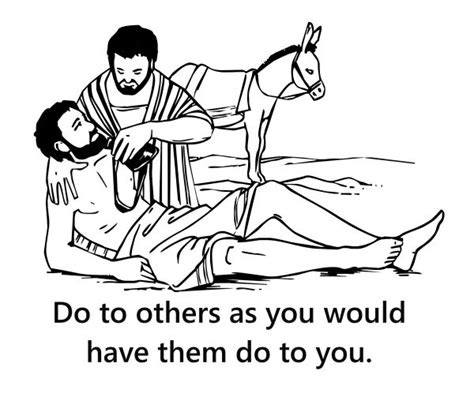

Ephesians 5:1 Therefore be imitators of God, as beloved children;”
Ephesians 5:2 and walk in love, just as Christ also loved you and gave Himself up for us, an offering and a sacrifice to God 2as a fragrant aroma.
2 Christ also loved you and gave Himself up for us. The Lord is the supreme example in His self-sacrificing love for lost sinners (4:32; ROM 5:8–10). He took human sin upon Himself and gave up His very life that men might be redeemed from their sin, receive a new and holy nature, and inherit eternal life (see note on 2Co 5:21). They are henceforth to be imitators of His great love in the newness and power of the Holy Spirit, who enables them to demonstrate divine love. a fragrant aroma. Christ’s offering of Himself for fallen man pleased and glorified His heavenly Father, because it demonstrated in the most complete and perfect way God’s sovereign, perfect, unconditional, and divine kind of love.

 bible.com/bible/100/rom.8.6.NASB1995
We must, stop trying to earn Grace. When we truly believe the Gospel, we understand that in no way, can we measure up to Gods standards, but by surrendering ourselves to his mercy, and allowing him to transform us, by his spirit and his word in our lives.

1st Corinthians 15:33 says this…..Do not be deceived: ” Bad company, corrupts good Morals”
Proverbs 13:20 says this: “He who walks with wise men will be wise, But the companion of fools will suffer harm.”




“He restores my soul; He guides me in the paths of righteousness For His name’s sake.”
Psalms 23:3 NASB1995


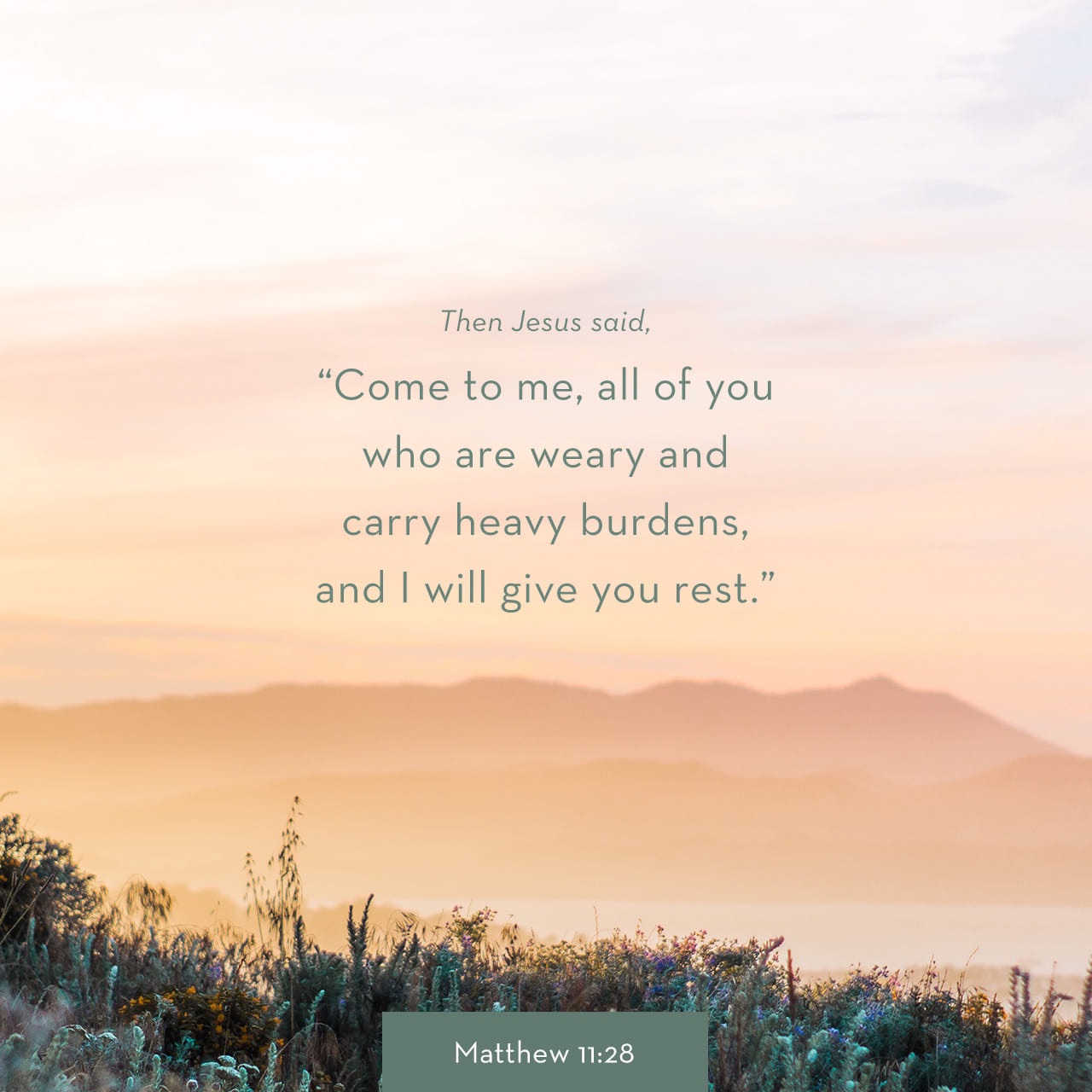 bible.com/bible/100/mat.11.28.NASB1995
Jesus, you care so much for us, that you gave your life for me and for others. As unworthy as we were, you took the penalty for our sins, that we might live. All you ask, is that we believe, by walking in faith. Thank you, Jesus.
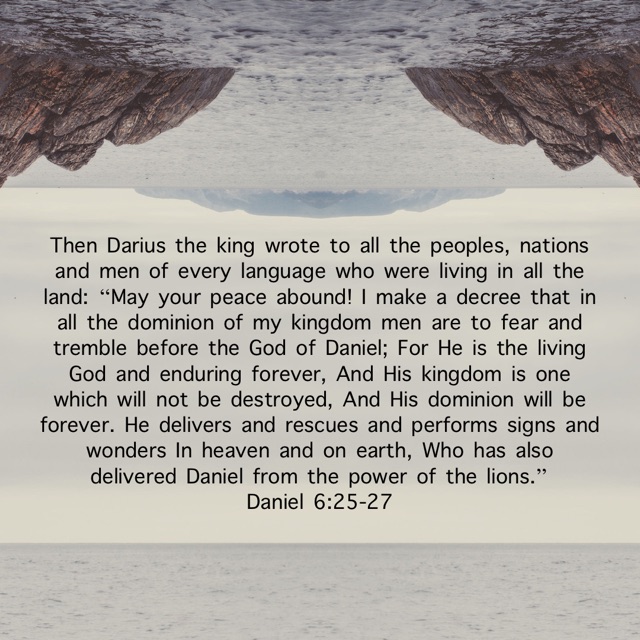 bible.com/bible/100/dan.6.25-27.NASB1995
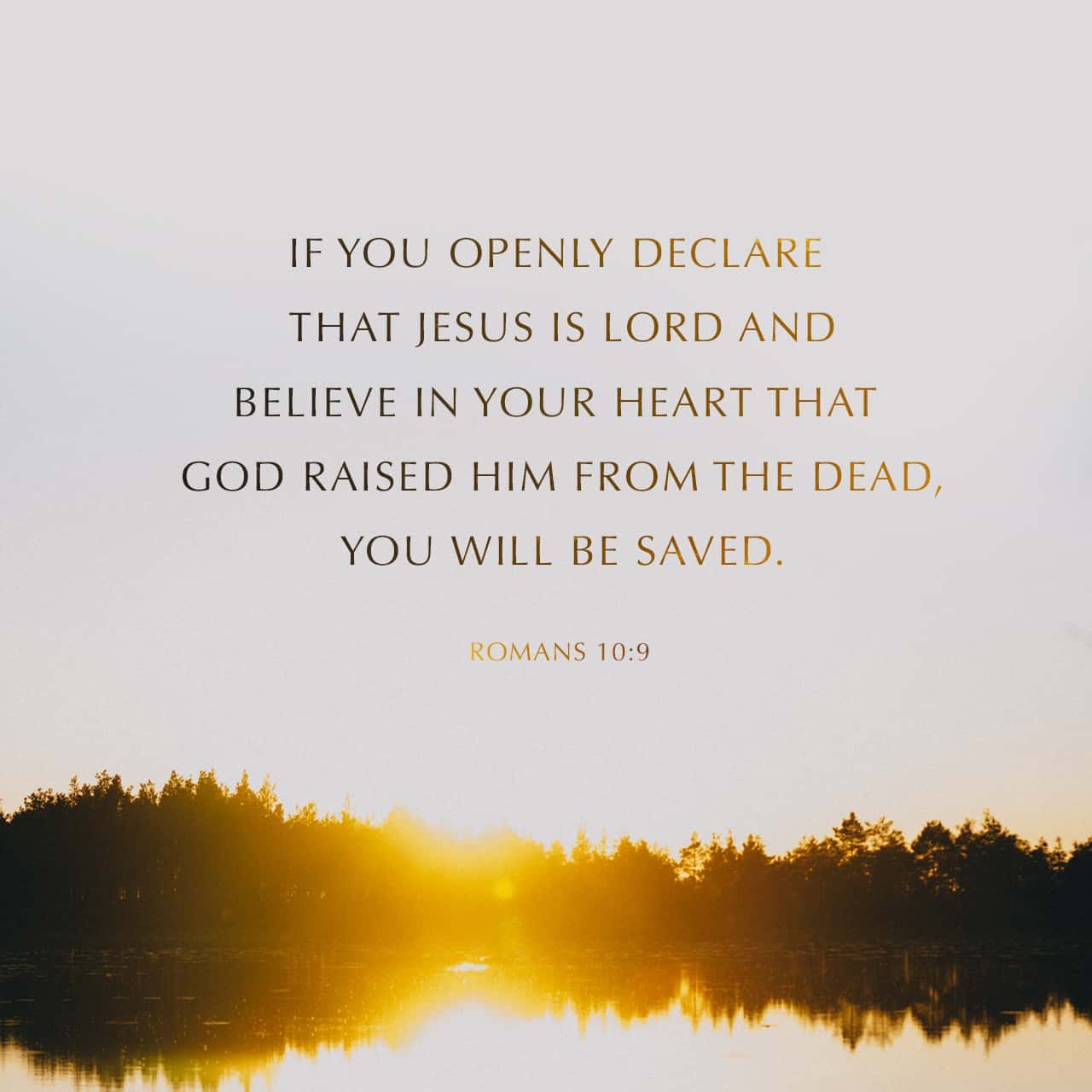 bible.com/bible/100/rom.10.9.NASB1995
 Living Waters