
Tag: Rest

The Lord is my Shepherd…….Baseball and the Bible

May the Words of Our Mouth, and the Meditation of Our Heart, be acceptable to You, Oh Lord, Our Rock and Our Redeemer!

There is a Time for Everything. Now is the time to Repent, for the Forgiveness of Your Sins. Jesus is Waiting, Patiently, that HE may Restore You.
All credit to the John MacArthur Study Bible and to the Words of God.
3:18 announced beforehand by the mouth of all the prophets. Cf. Ge 3:15; Ps 22; Is 53; Zec 12:10. †
3:19 repent and return. See notes on 2:38; Mt 3:2. “Return” is a frequent NT word that relates to sinners turning to God (9:35; 14:15; 26:18, 20; Lk 1:16, 17; 2Co 3:16; 1Pe 2:25). your sins … wiped away. Cf. Ps 51:9; Is 43:25; 44:22. “Wiped away” compares forgiveness to the complete wiping away of ink from the surface of a document (Col 2:14). ‡
3:19–21 times of refreshing … period of restoration of all things. “Times” or “period” means epoch, era, or season. Two descriptions are given to the coming era of the millennial kingdom. This is clear because they bracket the reference to Jesus Christ being sent from God to bring those times. Peter points to Christ’s earthly reign (see notes on 1:7; cf. Ro 11:26). The period will be marked by all kinds of blessings and renewal (cf. Is 11:6–10; 35:1–10; Eze 34:26; 44:3; Joel 2:26; Mt 19:28; Rev 19:1–10).

But God demonstrates His own love toward us, in that while we were still sinners, Christ died for us. Roman 5:8


Lost on a Painted Sky, you may find Him……..The One True God, The Lord of Heaven and Earth, “The Way“ to him, is Through his Son, Jesus. Seek, and may you find Him, that you might LIVE!




Thy Word, is a Lamp unto my Feet, and a Light unto my Path!
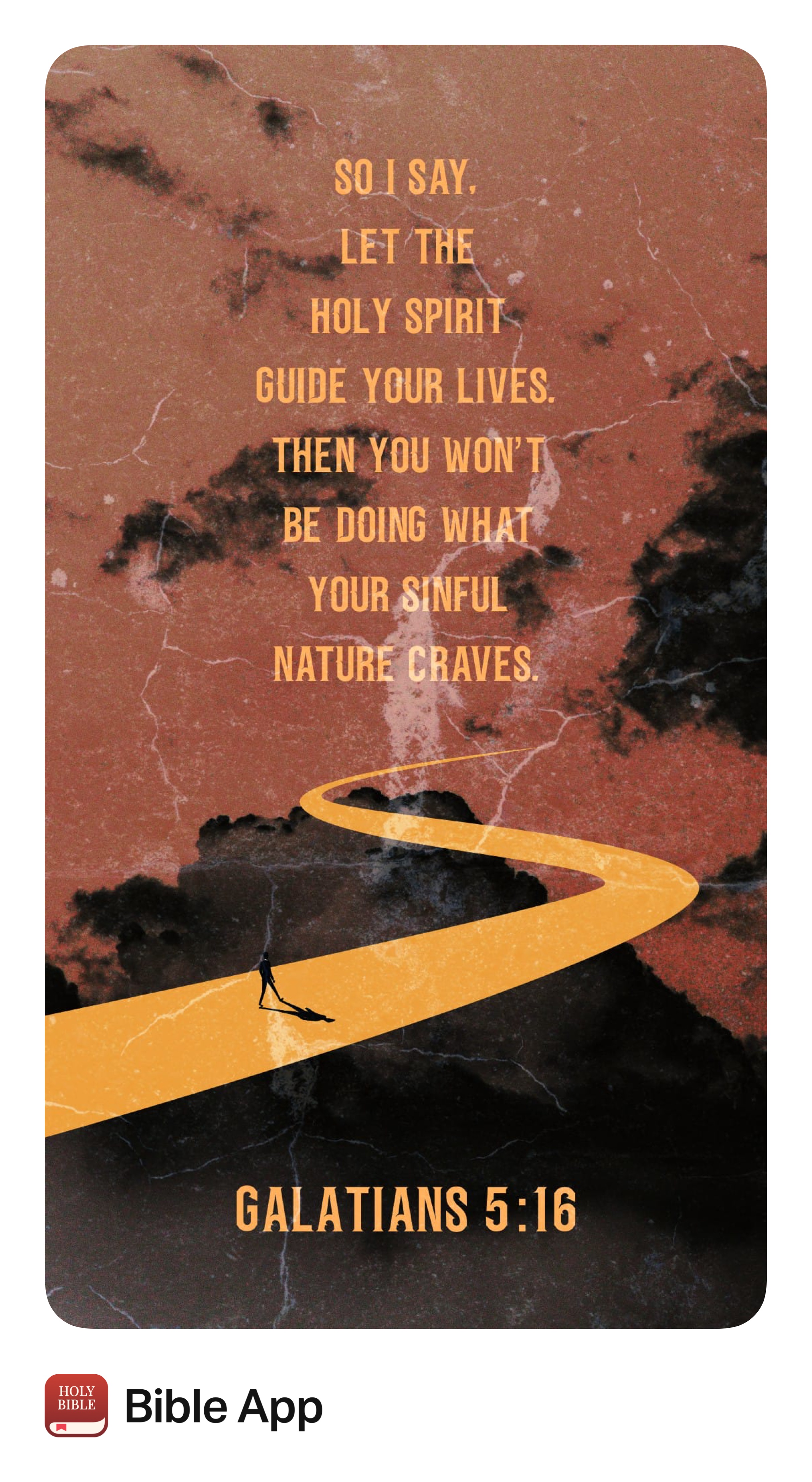
Psalms 1 : From “The Bible Project” and some notes from the “John MacArthur Study Bible”
From: John MacArthur Study Bible
1–6 This wisdom psalm basically functions as an introduction to the entire book of Psalms. Its theme is as big as the whole Bible because it tells of people, paths, and ultimate destinations (for a significant parallel see Jer 17:5–8). By two cycles of contrast, Ps 1 separates all people into their respective spiritual categories:
I. By observation, all people are separated ethically (1:1–4)
A. A Picture of the Godly (1:1–3)
B. A Picture of the Ungodly (1:4)
II. By outcome, all people are separated judicially (1:5, 6)
A. The Failure of Ungodly People (1:5)
B. The Fruition of Lifestyles (1:6)
1. Recognition of the godly (1:6a)
2. Ruination of the ungodly (1:6b) ‡
1:1 blessed. From the perspective of the individual, this is a deep-seated joy and contentment in God; from the perspective of the believing community, it refers to redemptive favor (cf. the blessings and cursings of Dt 27:11–28:6). not walk … Nor stand … Nor sit. The “beatitude” man (cf. Mt 5:3–11) is first described as one who avoids such associations as these which exemplify sin’s sequential downward drag. †
1:2 his delight … in the law. Switching to a positive description, the spiritually “happy” man is characterized by the consistent contemplation and internalization of God’s Word for ethical direction and obedience. †
1:3 like a tree. Because of the mostly arid terrain of Israel, a lush tree served as a fitting symbol of blessing in the OT. planted. Lit. “transplanted.” Trees do not plant themselves; neither do sinful people transport themselves into God’s kingdom. Salvation is His marvelous work of grace (cf. Is 61:3; Mt 15:13). Yet, there is genuine responsibility in appropriating the abundant resources of God (cf. Jer 17:8), which lead to eventual productivity. †
1:4 The wicked are not so. This is an abrupt contrast, lit. “Not so the wicked!” chaff. A frequent OT word picture from harvest time for what is unsubstantial, without value, and worthy only to be discarded. †
1:5 Therefore … not stand. “Therefore” introduces the strong conclusion that the ungodly will not be approved by God’s judgment. †
1:6 the LORD knows. This is far more than recognition; the Lord “knows” everything. In this context, the reference is to personal intimacy and involvement with His righteous ones (contra. Mt 7:23; cf. 2Ti 2:19). the way of. The repetition of this phrase picks up on the “path” imagery so characteristic of this psalm. It refers to one’s total course of life, i.e., lifestyle. Here these two courses arrive at the ways of life and death, as in Dt 30:19; Jer 21:8; cf. Mt 7:13, 14. will perish. One day the wicked person’s way will end in ruin; a new order is coming and it will be a righteous order. So Ps 1 begins with the “blessed” and ends with those who “perish” (cf. Pss 9:5, 6; 112:10).

Lord, may I take your very words, and ingest them as regularly, as I crave bread and water, that sustains my life. Your word, your relationship I have with you, my humble worship, and the fellowship with the body of Christ sustains me. May it be, as the Air I Breathe.
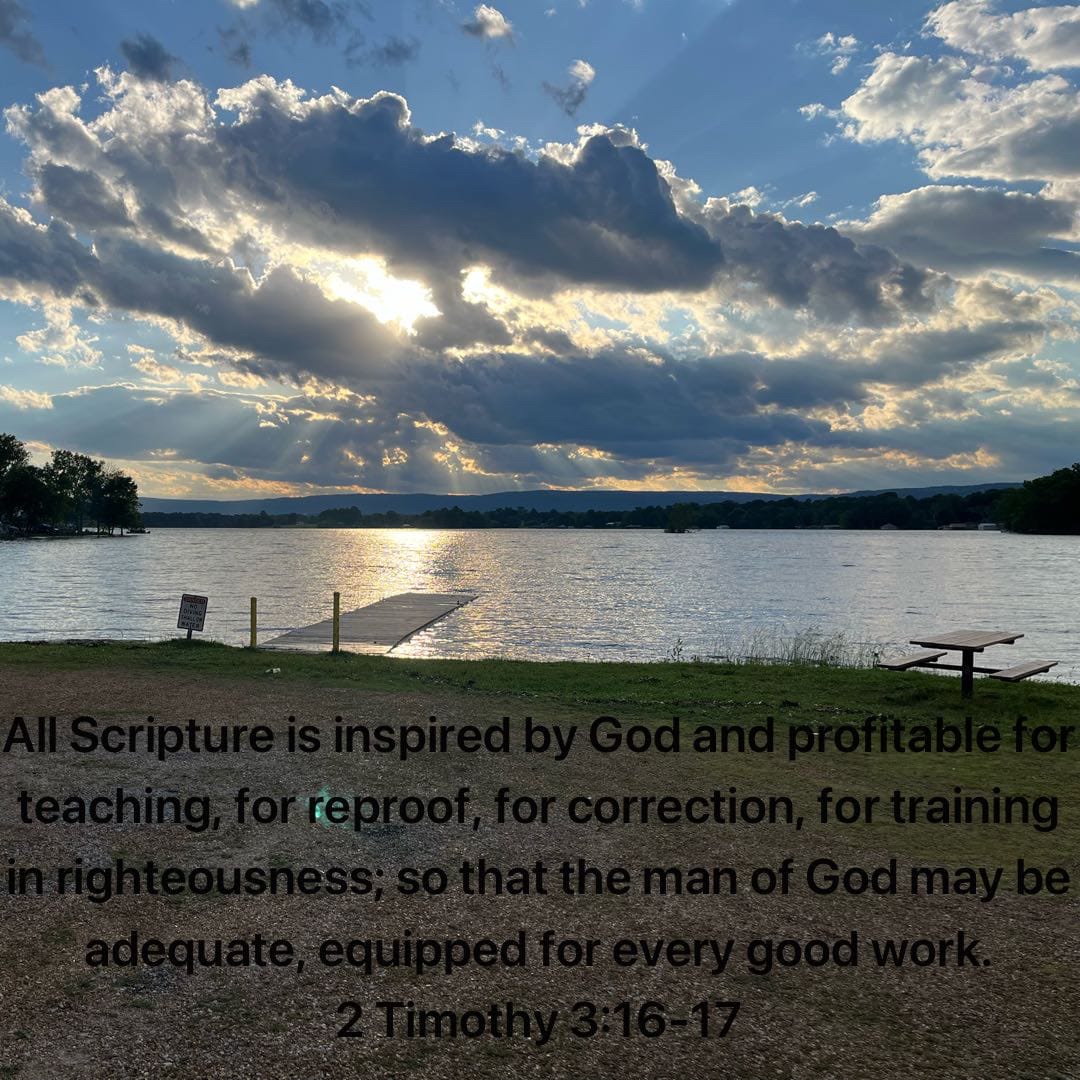

Lord, may I take your very words, and ingest them as regularly, as I crave bread and water, that sustains my life. Your word, your relationship I have with you, my humble worship, and the fellowship with the body of Christ sustains me. May it be, as the Air I Breathe.
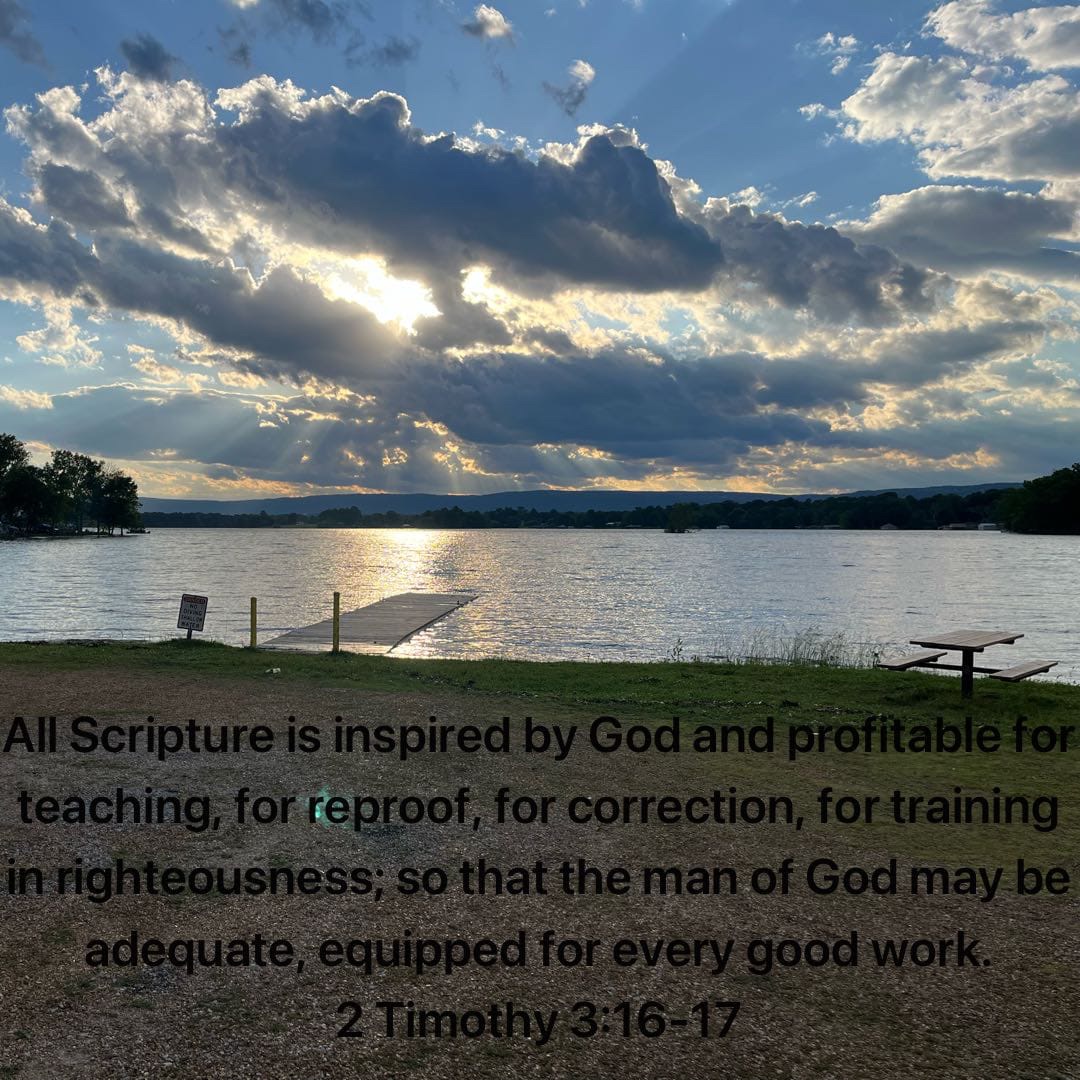
 Living Waters