
Tag: Promise
 bible.com/bible/100/jas.5.16.NASB1995
Imperfect People Used to Accomplish God’s Perfect Plan. (Taken from Events Devotion in YOUVERSION Bible App)
This chapter makes it clear that Abram was not chosen because he was a tremendously virtuous person. He actually has some pretty major faults. Not only is he a liar, but also Joshua 24:2 implies Abram wasn’t even worshiping God before God talked to him. Essentially, the rest of the Bible will show how God blesses Abram, his descendants, and all of humanity through these people. The people we call Jews today are Abram’s descendants. The Bible you are reading was written almost entirely by Jews and Jesus was a Jew. God took someone who didn’t deserve to be blessed and blessed him so that people like you and me, who also don’t deserve to be blessed, could be blessed too!
“Now the Lord said to Abram, “Go forth from your country, And from your relatives And from your father’s house, To the land which I will show you; So Abram went forth as the Lord had spoken to him; and Lot went with him. Now Abram was seventy-five years old when he departed from Haran. Abram took Sarai his wife and Lot his nephew, and all their possessions which they had accumulated, and the persons which they had acquired in Haran, and they set out for the land of Canaan; thus they came to the land of Canaan. Abram passed through the land as far as the site of Shechem, to the oak of Moreh. Now the Canaanite was then in the land. The Lord appeared to Abram and said, “To your descendants I will give this land.” So he built an altar there to the Lord who had appeared to him. Then he proceeded from there to the mountain on the east of Bethel, and pitched his tent, with Bethel on the west and Ai on the east; and there he built an altar to the Lord and called upon the name of the Lord. Abram journeyed on, continuing toward the Negev. Now there was a famine in the land; so Abram went down to Egypt to sojourn there, for the famine was severe in the land. It came about when he came near to Egypt, that he said to Sarai his wife, “See now, I know that you are a beautiful woman; and when the Egyptians see you, they will say, ‘This is his wife’; and they will kill me, but they will let you live. Please say that you are my sister so that it may go well with me because of you, and that I may live on account of you.” It came about when Abram came into Egypt, the Egyptians saw that the woman was very beautiful. Pharaoh’s officials saw her and praised her to Pharaoh; and the woman was taken into Pharaoh’s house. Therefore he treated Abram well for her sake; and gave him sheep and oxen and donkeys and male and female servants and female donkeys and camels. But the Lord struck Pharaoh and his house with great plagues because of Sarai, Abram’s wife. Then Pharaoh called Abram and said, “What is this you have done to me? Why did you not tell me that she was your wife? Why did you say, ‘She is my sister,’ so that I took her for my wife? Now then, here is your wife, take her and go.” Pharaoh commanded his men concerning him; and they escorted him away, with his wife and all that belonged to him.”
Genesis 12:1, 4-20 NASB1995
https://bible.com/bible/100/gen.12.1-20.NASB1995
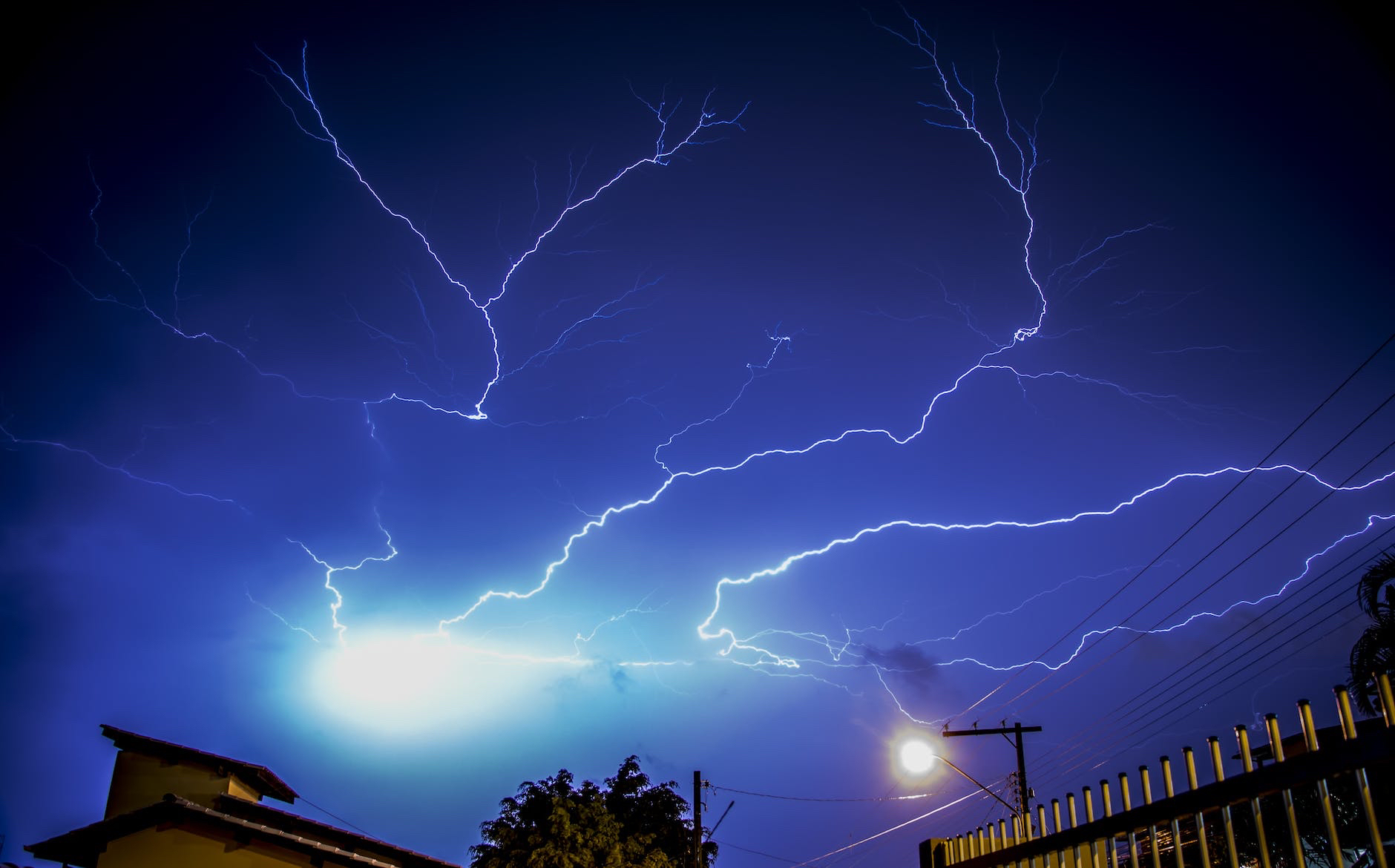
Who am I or you, to question whether life is unfair or not? Job 38 from the “Word of God”
“Then the Lord answered Job out of the whirlwind and said, “Who is this that darkens counsel By words without knowledge? Now gird up your loins like a man, And I will ask you, and you instruct Me! Where were you when I laid the foundation of the earth? Tell Me, if you have understanding, Who set its measurements? Since you know. Or who stretched the line on it? On what were its bases sunk? Or who laid its cornerstone, When the morning stars sang together And all the sons of God shouted for joy? “Or who enclosed the sea with doors When, bursting forth, it went out from the womb; When I made a cloud its garment And thick darkness its swaddling band, And I placed boundaries on it And set a bolt and doors, And I said, ‘Thus far you shall come, but no farther; And here shall your proud waves stop’? “Have you ever in your life commanded the morning, And caused the dawn to know its place, That it might take hold of the ends of the earth, And the wicked be shaken out of it? It is changed like clay under the seal; And they stand forth like a garment. “Have you entered into the springs of the sea Or walked in the recesses of the deep? Have the gates of death been revealed to you, Or have you seen the gates of deep darkness? Have you understood the expanse of the earth? Tell Me, if you know all this. That you may take it to its territory And that you may discern the paths to its home? You know, for you were born then, And the number of your days is great! Have you entered the storehouses of the snow, Or have you seen the storehouses of the hail, Which I have reserved for the time of distress, For the day of war and battle? Where is the way that the light is divided, Or the east wind scattered on the earth? “Who has cleft a channel for the flood, Or a way for the thunderbolt, To bring rain on a land without people, On a desert without a man in it, To satisfy the waste and desolate land And to make the seeds of grass to sprout? Has the rain a father? Or who has begotten the drops of dew? From whose womb has come the ice? And the frost of heaven, who has given it birth? Water becomes hard like stone, And the surface of the deep is imprisoned. “Can you bind the chains of the Pleiades, Or loose the cords of Orion? Can you lead forth a constellation in its season, And guide the Bear with her satellites? Do you know the ordinances of the heavens, Or fix their rule over the earth? “Can you lift up your voice to the clouds, So that an abundance of water will cover you? Can you send forth lightnings that they may go And say to you, ‘Here we are’? Who has put wisdom in the innermost being Or given understanding to the mind? Who can count the clouds by wisdom, Or tip the water jars of the heavens, When the dust hardens into a mass And the clods stick together? When they crouch in their dens And lie in wait in their lair? Who prepares for the raven its nourishment When its young cry to God And wander about without food?”
Job 38:1-14, 16-18, 20-38, 40-41 NASB1995
https://bible.com/bible/100/job.38.41.NASB1995

A Living Sacrifice….
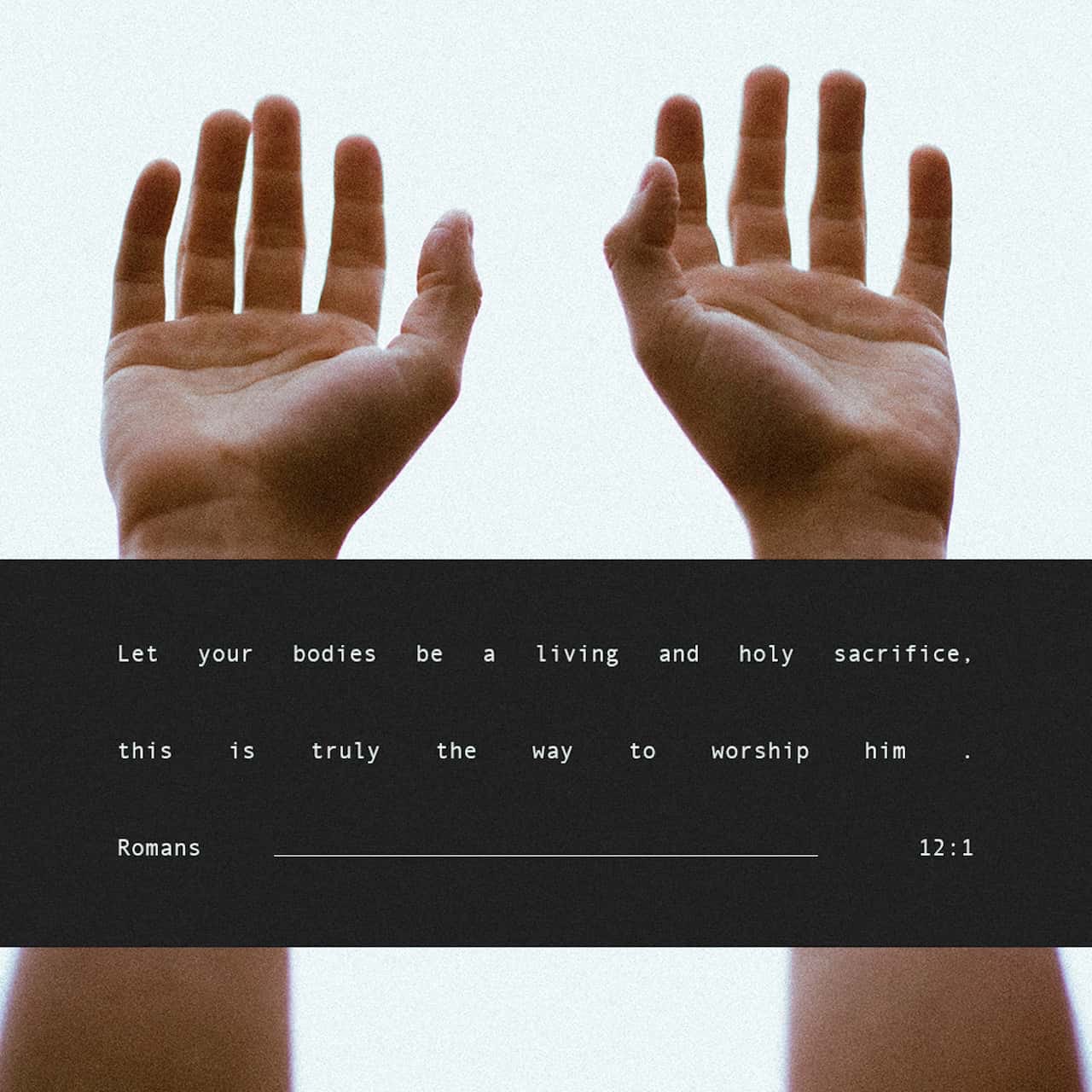 bible.com/bible/100/rom.12.1.NASB1995
“And do not be conformed to this world, but be transformed by the renewing of your mind, so that you may prove what the will of God is, that which is good and acceptable and perfect. For through the grace given to me I say to everyone among you not to think more highly of himself than he ought to think; but to think so as to have sound judgment, as God has allotted to each a measure of faith.”
Romans 12:2-3 NASB1995

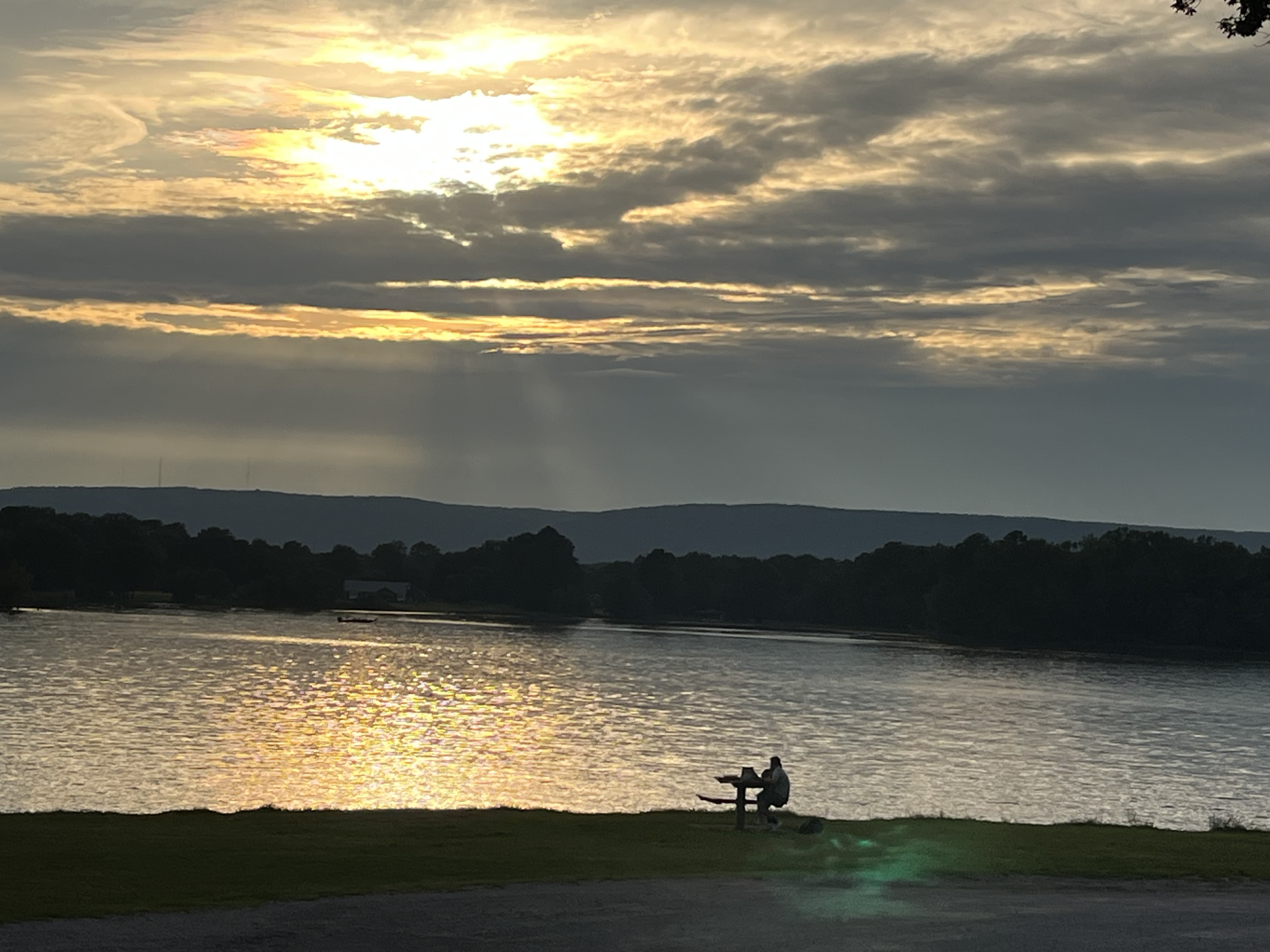
Took a drive in the Jeep, after coming back from a trip to California. It was like God saying, welcome back to Tennessee. I am still struck, by the whispering of God’s magnificence of his creation, and this beautiful place, we get to call home. I am always reminded of Psalm 19, “The heavens cry out, to God in his Majesty and Glory” (Alan’s translation) 😳
God is Closer than you Think
“God appeared to Solomon that very night and said, “I accept your prayer; yes, I have chosen this place as a temple for sacrifice, a house of worship. If I ever shut off the supply of rain from the skies or order the locusts to eat the crops or send a plague on my people, and my people, my God-defined people, respond by humbling themselves, praying, seeking my presence, and turning their backs on their wicked lives, I’ll be there ready for you: I’ll listen from heaven, forgive their sins, and restore their land to health. From now on I’m alert day and night to the prayers offered at this place. Believe me, I’ve chosen and sanctified this Temple that you have built: My Name is stamped on it forever; my eyes are on it and my heart in it always. As for you, if you live in my presence as your father David lived, pure in heart and action, living the life I’ve set out for you, attentively obedient to my guidance and judgments, then I’ll back your kingly rule over Israel—make it a sure thing on a sure foundation. The same covenant guarantee I gave to David your father I’m giving to you, namely, ‘You can count on always having a descendant on Israel’s throne.’”
2 Chronicles 7:12-18 MSG
https://bible.com/bible/97/2ch.7.12-18.MSG

Righteousness is given to us by our Faith in Jesus. His sacrifice makes us right with God, when we believe.
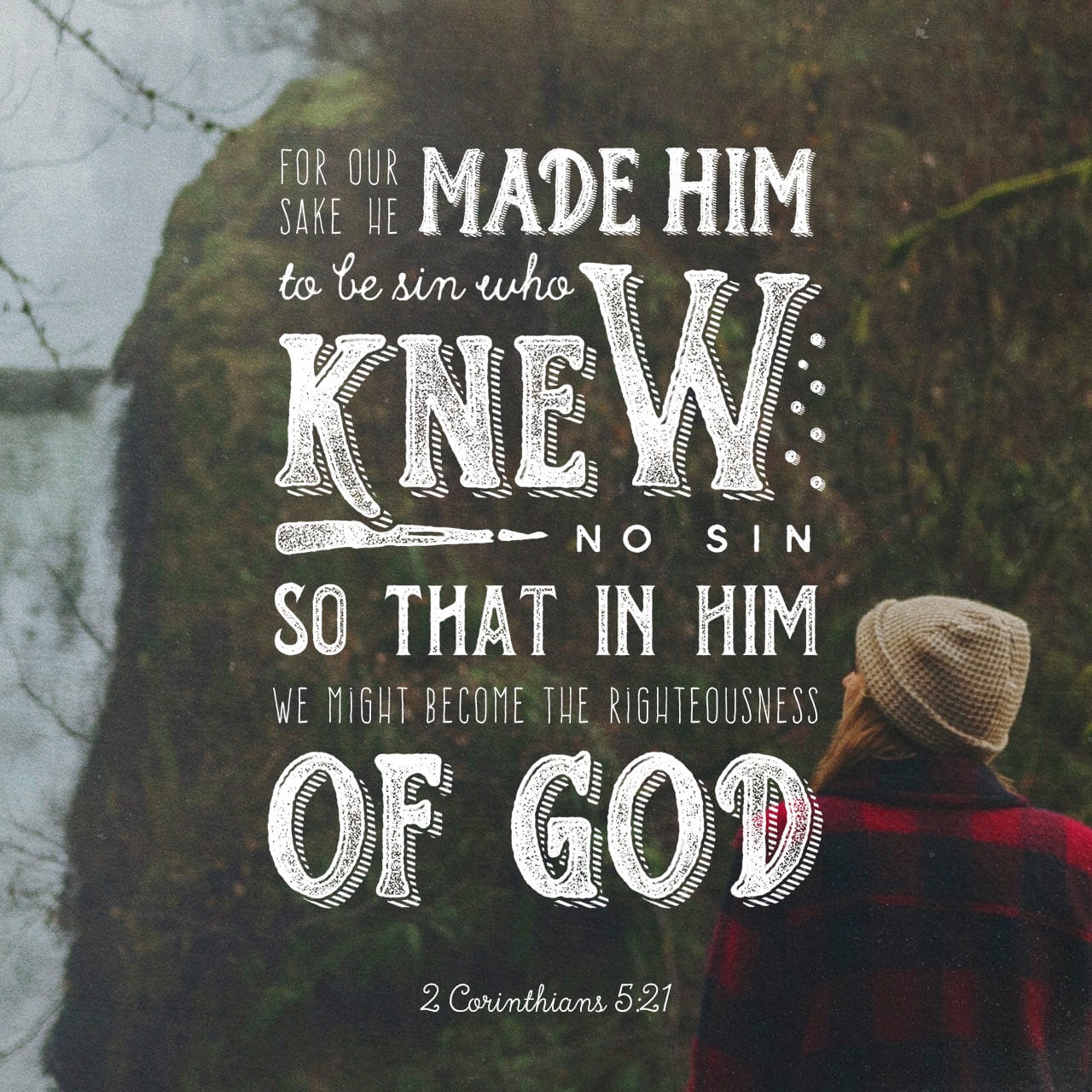 bible.com/bible/100/2co.5.20-21.NASB1995
“God made Him who had no sin to be sin for us, so that in Him we might become the righteousness of God.” (2 Corinthians 5:21, NIV) You are God’s righteousness. You are His goodness and rightness because of what Christ did on the cross. This was given to you, and you are called righteous by the Lord of the universe. You can live in light of the righteousness you were given. It not only allows you to approach God with confidence, but it allows you to be an ambassador to others around you. Because your righteousness is not earned but freely given through faith in Jesus, you can share this gift with others and invite them to be God’s righteousness too.

Love Your Enemies!
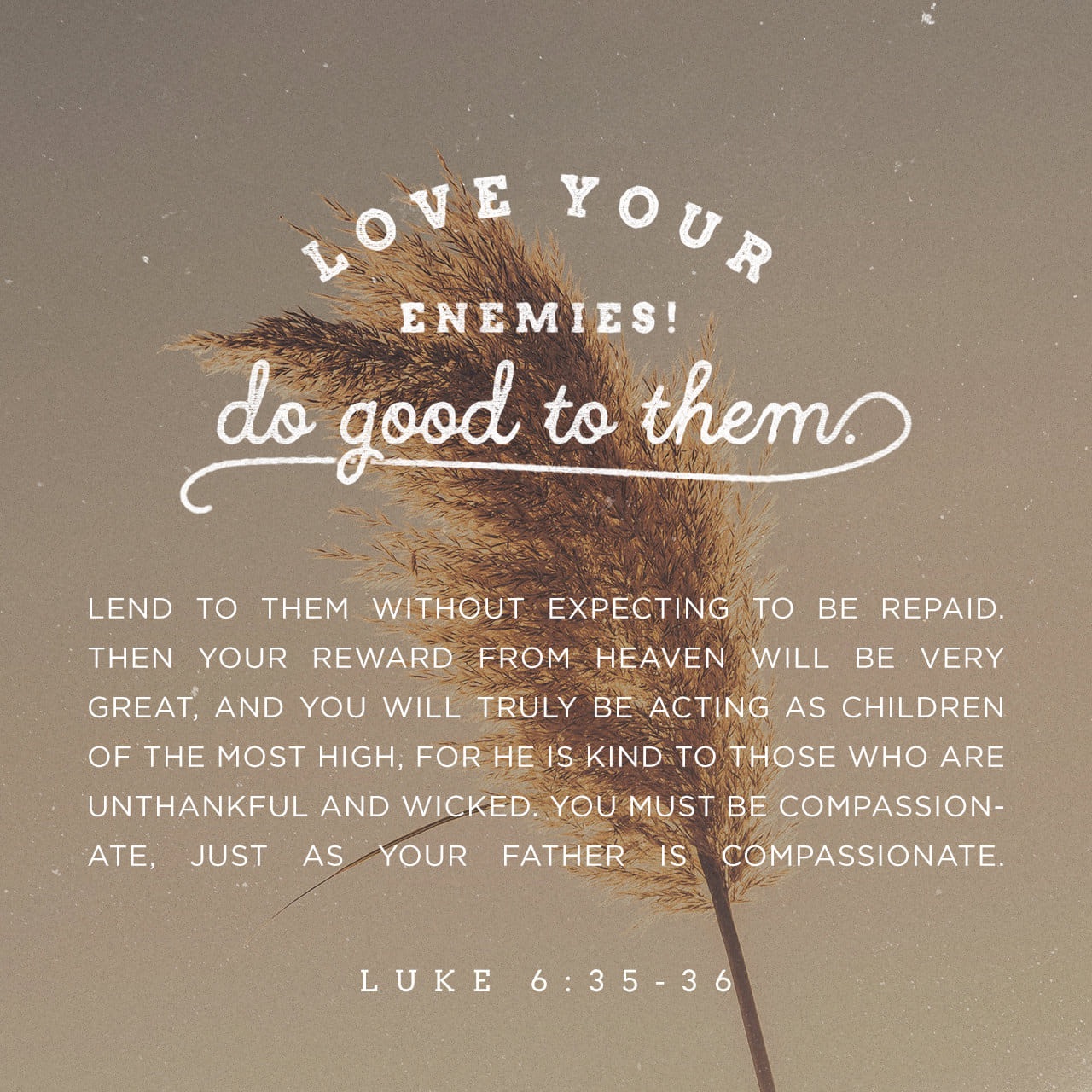 bible.com/bible/100/luk.6.35.NASB1995
Father, my heart is sinful and selfish. You have already shown me, the depths of your compassion, and yet this verse creates tension in my heart to do good to my enemies. I cannot do this without your Holy Spirit and your working together in me. Help me continue to grow, in this area. Amen.

Help me Lord, to Love as you loved me? I was an enemy, but your reined down Mercy on me.
bible.com/bible/100/luk.6.35.NASB1995
Father, my heart is sinful and selfish. You have already shown me, the depths of your compassion, and yet this verse creates tension in my heart to do good to my enemies. I cannot do this without your Holy Spirit and your working together in me. Help me continue to grow, in this area. Amen.

Thank you Jesus, for changing our Hearts, through the work of your Holy Spirit. May your Spirit, continue to work in us. Amen

Ezekiel 36:27 NASB1995
https://bible.com/bible/100/ezk.36.27.NASB1995
 Living Waters