Thought for the day

What did Jesus mean by this Statement? (See notes below on the blog)

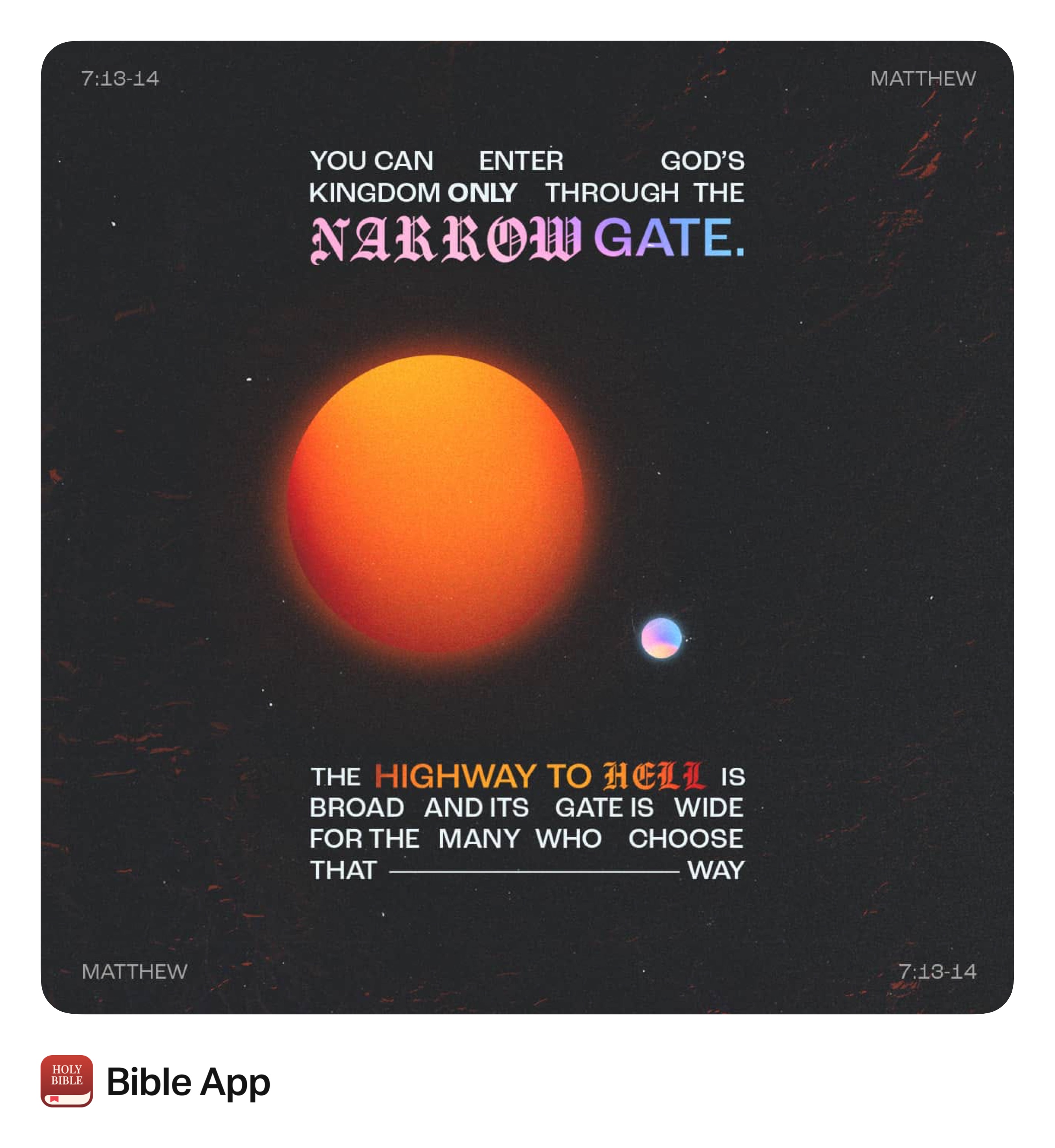
7:13, 14 Both the narrow gate and the wide gate are assumed to provide the entrance to God’s kingdom. Two ways are offered to people. The narrow gate is by faith, only through Christ, constricted and precise. It represents true salvation in God’s way that leads to life eternal. The wide gate includes all religions of works and self-righteousness, with no single way (cf. Ac 4:12), but it leads to hell, not heaven. † 7:14 way is narrow. Christ continually emphasized the difficulty of following Him (10:38; 16:24, 25; Jn 15:18, 19; 16:1–3; cf. Ac 14:22). Salvation is by grace alone, but is not easy. It calls for knowledge of the truth, repentance, submission to Christ as Lord, and a willingness to obey His will and Word. See notes on 19:16–28. † 7:15 false prophets. These deceive not by disguising themselves as sheep, but by impersonating true shepherds. They promote the wide gate and the wide way. sheep’s clothing. This may refer to the woolen attire that was the characteristic garb of a shepherd. † 7:16 You will know them by their fruits. See note on 3:8. False doctrine cannot restrain the flesh, so false prophets manifest wickedness. Cf. 2Pe 2:12–22. † 7:21 Not everyone who says … but he who does. The barrenness of this sort of faith demonstrates its real character (cf. v. 20)—the faith that says but does not do is really unbelief. Jesus was not suggesting that works are meritorious for salvation, but that true faith will not fail to produce the fruit of good works. This is precisely the point of Jas 1:22–25; 2:26.

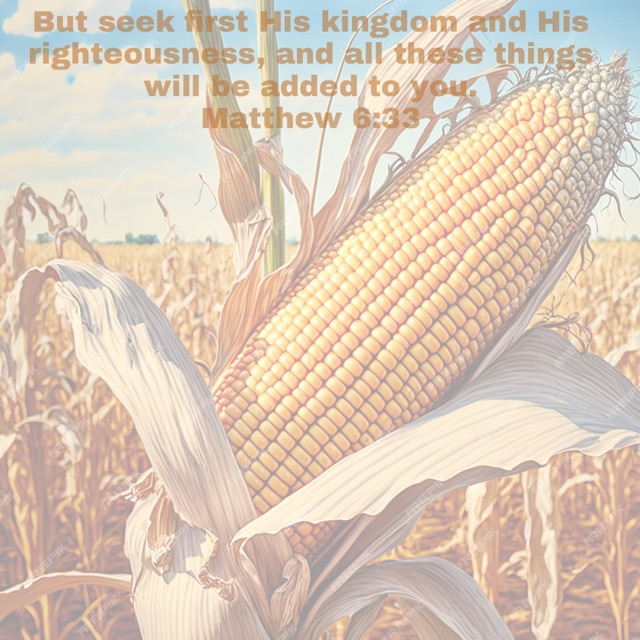
He gives us our daily bread, but seek him first, for you will find hope, and joy, in the one who provides.

Discipleship is great, but Paul encourages the Philippians to take ownership of their own walk with Jesus, even when Paul is not there. When we take ownership, we are walking with Jesus and his Spirit and then, we are to do the same as Paul, by walking with others, and pointing them to Jesus, that they would do the same. That way, we are participating in building Gods kingdom, here on earth. Is that not a beautiful way to see what gods will is in our life?

It’s not about US, it’s All about HIM!

The Battle belongs to the Lord

L

What does Matthew 5:39 mean?

“But I say to you, do not resist an evil person; but whoever slaps you on your right cheek, turn the other to him also.” NASB1995‬‬

(See notes below taken from Bibleref.com)

The Sermon on the Mount, which began early in chapter 5, contains difficult concepts for human nature to accept. Jesus is setting a seemingly impossible standard for those who would enter the kingdom of heaven (Matthew 5:20). Refusing to murder is not enough: don’t even insult another in anger (Matthew 5:21–22). Not committing adultery is not enough: don’t even intentionally lust (Matthew 5:27–28). His larger point is that none are righteous enough to enter heaven, based on their own good deeds (Matthew 5:48). Everyone, no matter how “holy” they may seem, must receive forgiveness of sins and righteousness through faith in Christ. 

This verse is often badly misunderstood, due to two ideas that are less common today: lex talionis and the idea of being slapped on the cheek. 

In the prior verse (Matthew 5:38), Jesus referred to a rule in the Old Testament (Deuteronomy 19:21) called the lex talionis, often summarized as “eye for an eye.” After thousands of years of Christian influence, and in fact because of that influence, modern people often think this as a cruel standard. In truth, God established this to limit violence and revenge. The point of “eye for an eye” was that punishment is to be proportional to the crime, rather than an ever-escalating cycle of revenge. 

Jesus does not dispute the legal aspects of “eye for an eye,” so far as they apply to a courtroom or the government. But in personal terms, He sets a much more challenging standard. Limiting revenge is not God’s intent for the hearts of His people. Refusing revenge is God’s will and Jesus’ command to His followers (Romans 12:19). This does not mean Christians cannot flee, nor does it mean that blatant violence and evil should be met with total pacifism (Luke 22:36). It does mean that so far as we’re able, Christians are not to “return evil for evil” (Romans 12:20–21). 

This is consistent with Jesus’ comments about turning the other cheek. In the ancient world, the right hand was always assumed to be dominant. Jesus specifically refers to the “right cheek,” here.” That implies a backhanded movement: to slap someone on the right cheek, with the right hand, is more intimidation and abuse than mayhem. Even in the modern world, the term “slap in the face” is used in reference to insults and slights. To “turn the other cheek” implies taking that insult and accepting that another might be on the way. 

In short, Christ’s command here does not mean “you must do nothing while someone beats you into a bloody pulp.” He is speaking to believers who will experience persecution and hate from the world (Matthew 5:11–12). The proper Christian response to discrimination, mocking, or insults is to simply let it go: “don’t resist the evil person.” Instead, prove that such acts are not worth a response. Even better, as the following verses show, is to turn abuse upside down through love (Matthew 5:40–42). 
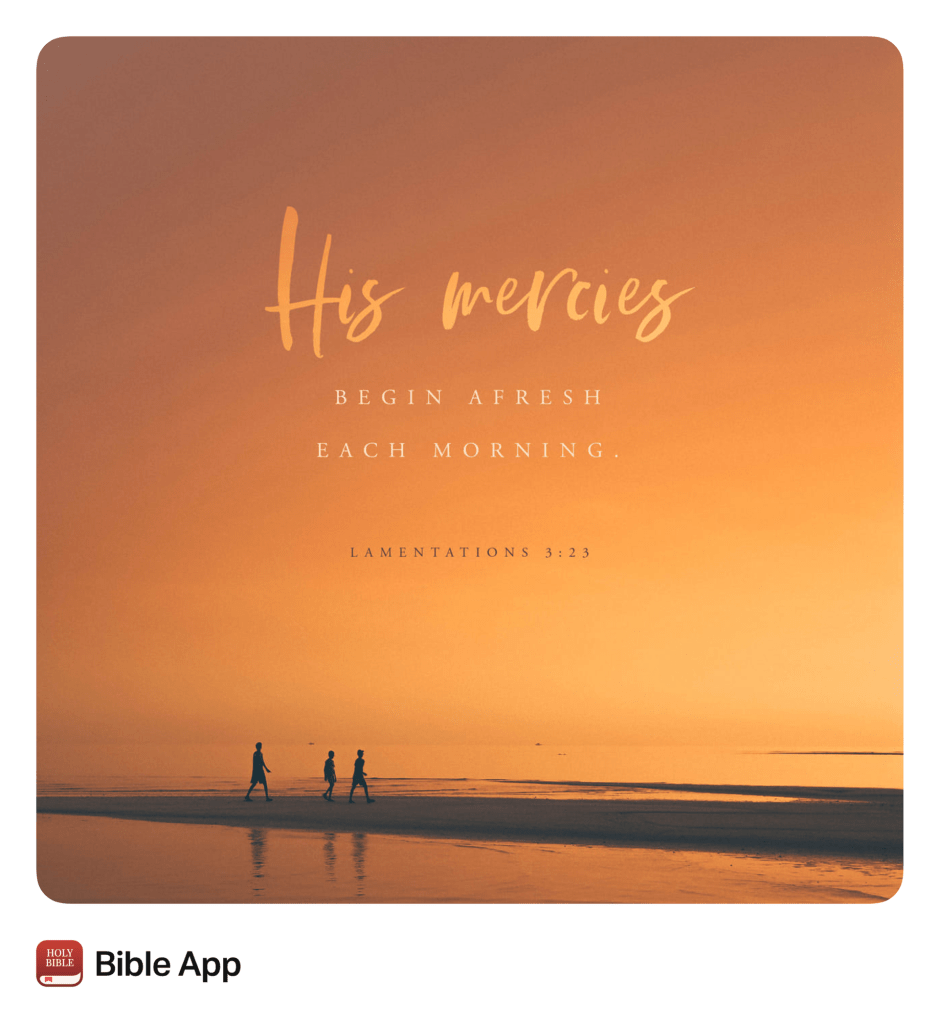
What does God require of Man? (See notes below Image)

3–5 This was the Lord’s appeal. With tenderness and emotion, the divine Plaintiff recalled His many gracious acts toward them, almost to the point of assuming the tone of a defendant. Noting their trek from bondage in Egypt to their own homeland, God had provided leadership (v. 4), reversed the attempts of Balaam to curse the people (v. 5a; cf. Nu 22–24), and miraculously parted the Jordan River (v. 5b) so they could cross over from Shittim, located E of the Jordan, to Gilgal on the W side near Jericho. God had faithfully kept all His promises to them. † 6:6, 7 Micah, as though speaking on behalf of the people, asked rhetorically how, in light of God’s faithfulness toward them, they could continue their hypocrisy by being outwardly religious but inwardly sinful. † 6:8 Micah’s terse response ( v. 8) indicated they should have known the answer to the rhetorical question. Spiritual blindness had led them to offer everything except the one thing He wanted—a spiritual commitment of the heart from which right behavior would ensue (cf. Dt 10:12–19; Mt 22:37–39). This theme is often represented in the OT (cf. 1Sa 15:22; Is 1:11–20; Jer 7:21–23; Hos 6:6; Am 5:15).

The Lord is my Shepherd…….Baseball and the Bible

www.bible.com/en/reading-plans/3138

Lost on a Painted Sky, you may find Him……..The One True God, The Lord of Heaven and Earth, “The Way“ to him, is Through his Son, Jesus. Seek, and may you find Him, that you might LIVE!

Thy Word, is a Lamp unto my Feet, and a Light unto my Path!