“For our struggle is not against flesh and blood, but against the rulers, against the powers, against the world forces of this darkness, against the spiritual forces of wickedness in the heavenly places.”
Ephesians 6:12 NASB1995

“For our struggle is not against flesh and blood, but against the rulers, against the powers, against the world forces of this darkness, against the spiritual forces of wickedness in the heavenly places.”
Ephesians 6:12 NASB1995


The phrase “man cannot live on bread alone” is found in the Bible, specifically in the book of Matthew. This verse emphasizes the importance of spiritual nourishment alongside physical sustenance.
TRANSLATIONVERSE TEXTNew International Version”Jesus answered, ‘It is written: Man shall not live on bread alone, but on every word that comes from the mouth of God.'”English Standard Version”But he answered, ‘It is written, Man shall not live by bread alone, but by every word that comes from the mouth of God.'”New Living Translation”But Jesus told him, ‘No! The Scriptures say, People do not live by bread alone, but by every word that comes from the mouth of God.'”King James Version”But he answered and said, ‘It is written, Man shall not live by bread alone, but by every word that proceedeth out of the mouth of God.'”
This verse is part of the account of Jesus’ temptation in the wilderness. After fasting for 40 days, Jesus was tempted by Satan to turn stones into bread. His response highlights that spiritual sustenance is as vital as physical food.
This teaching underscores the belief that spiritual fulfillment is essential for life.

In this book, Joel reflects on the “Day of the Lord” and how true repentance will bring about the great restoration hoped for in the other prophetic books.
From: John MacArthur Study Bible.
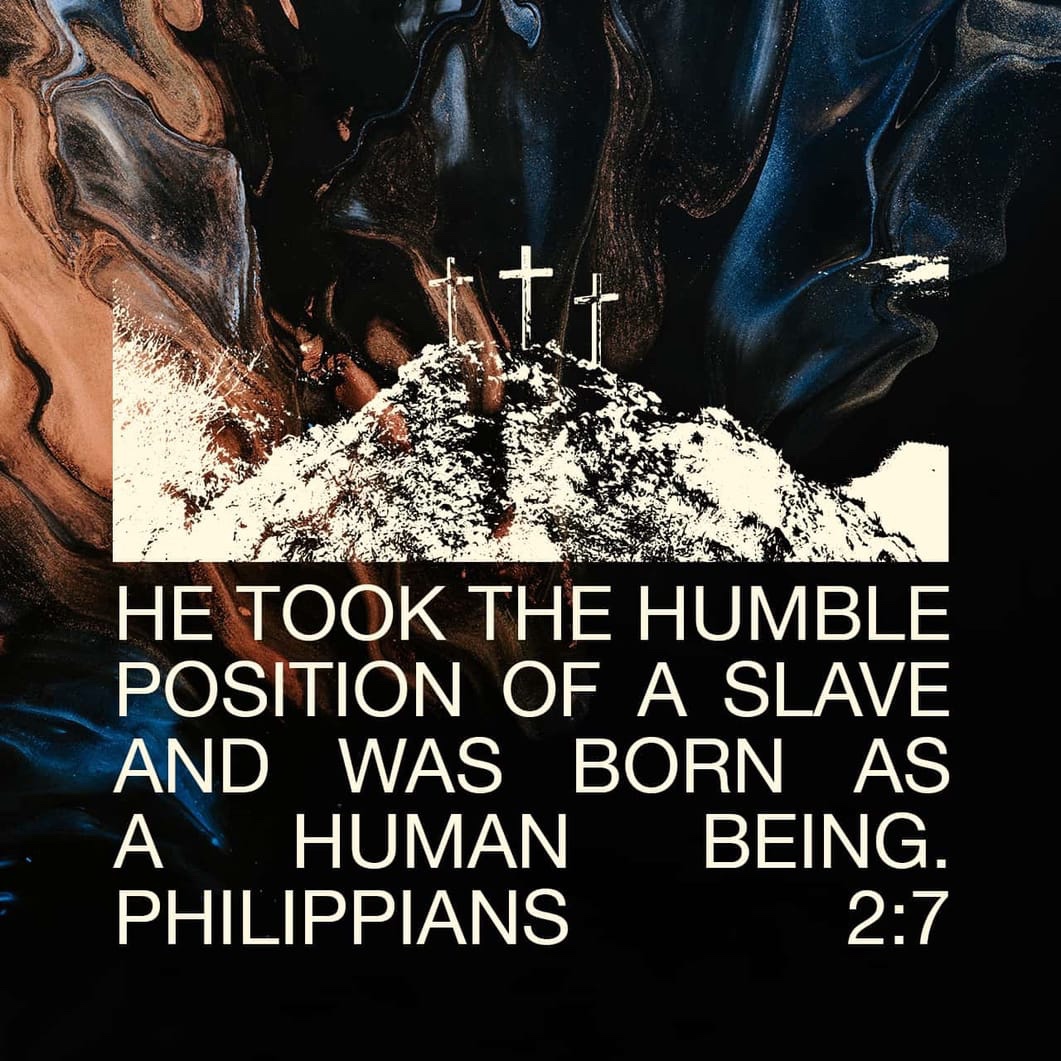
Vs 7emptied Himself. From this Gr. word comes the theological word “kenosis”; i.e., the doctrine of Christ’s self-emptying in His incarnation. This was a self-renunciation, not an emptying Himself of deity nor an exchange of deity for humanity (see notes on v. 6).
Jesus did, however, renounce or set aside His privileges in several areas:
1) heavenly glory—while on earth He gave up the glory of a face-to-face relationship with God and the continuous outward display and personal enjoyment of that glory (cf. Jn 17:5);
2) independent authority—during His incarnation Christ completely submitted Himself to the will of His Father (see note on v. 8; cf. Mt 26:39; Jn 5:30; Heb 5:8);
3) divine prerogatives—He set aside the voluntary display of His divine attributes and submitted Himself to the Spirit’s direction (cf. Mt 24:36; Jn 1:45–49);
4) eternal riches—while on earth Christ was poor and owned very little (cf. 2Co 8:9); and
5) a favorable relationship with God—He felt the Father’s wrath for human sin while on the cross (cf. Mt 27:46; see note on 2Co 5:21). form of a bond-servant. Again, Paul uses the Gr. word “form,” which indicates exact essence (see note on v.
6). As a true servant, Jesus submissively did the will of His Father (cf. Is 52:13, 14). the likeness of men. Christ became more than God in a human body, but He took on all the essential attributes of humanity (Lk 2:52; Gal 4:4; Col 1:22), even to the extent that He identified with basic human needs and weaknesses (cf. Heb 2:14, 17; 4:15). He became the God-Man: fully God and fully man.


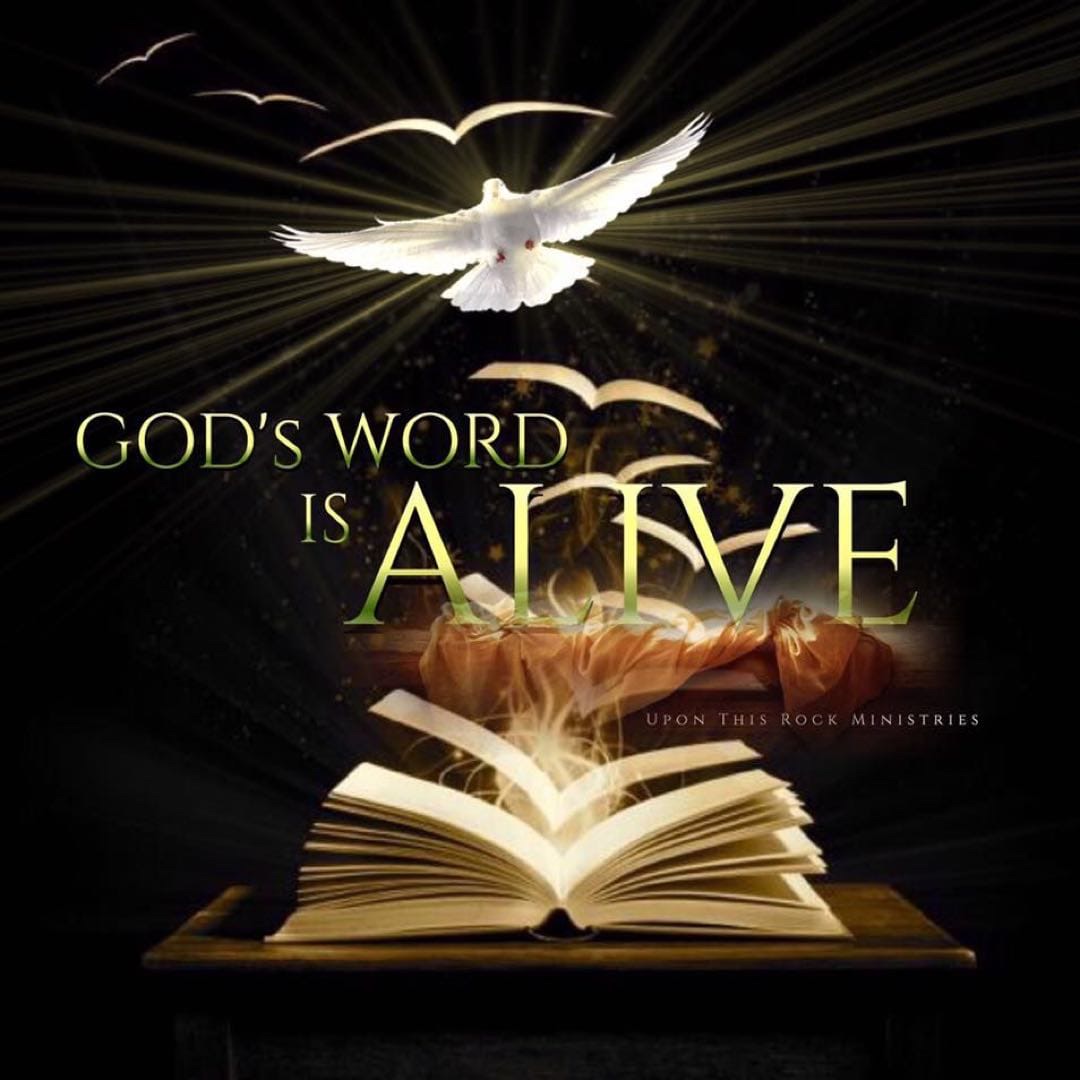 bible.com/bible/100/heb.4.12.NASB1995
For the word of God is living and active and sharper than any two-edged sword, and piercing as far as the division of soul and spirit, of both joints and marrow, and able to judge the thoughts and intentions of the heart. Hebrews 4:12

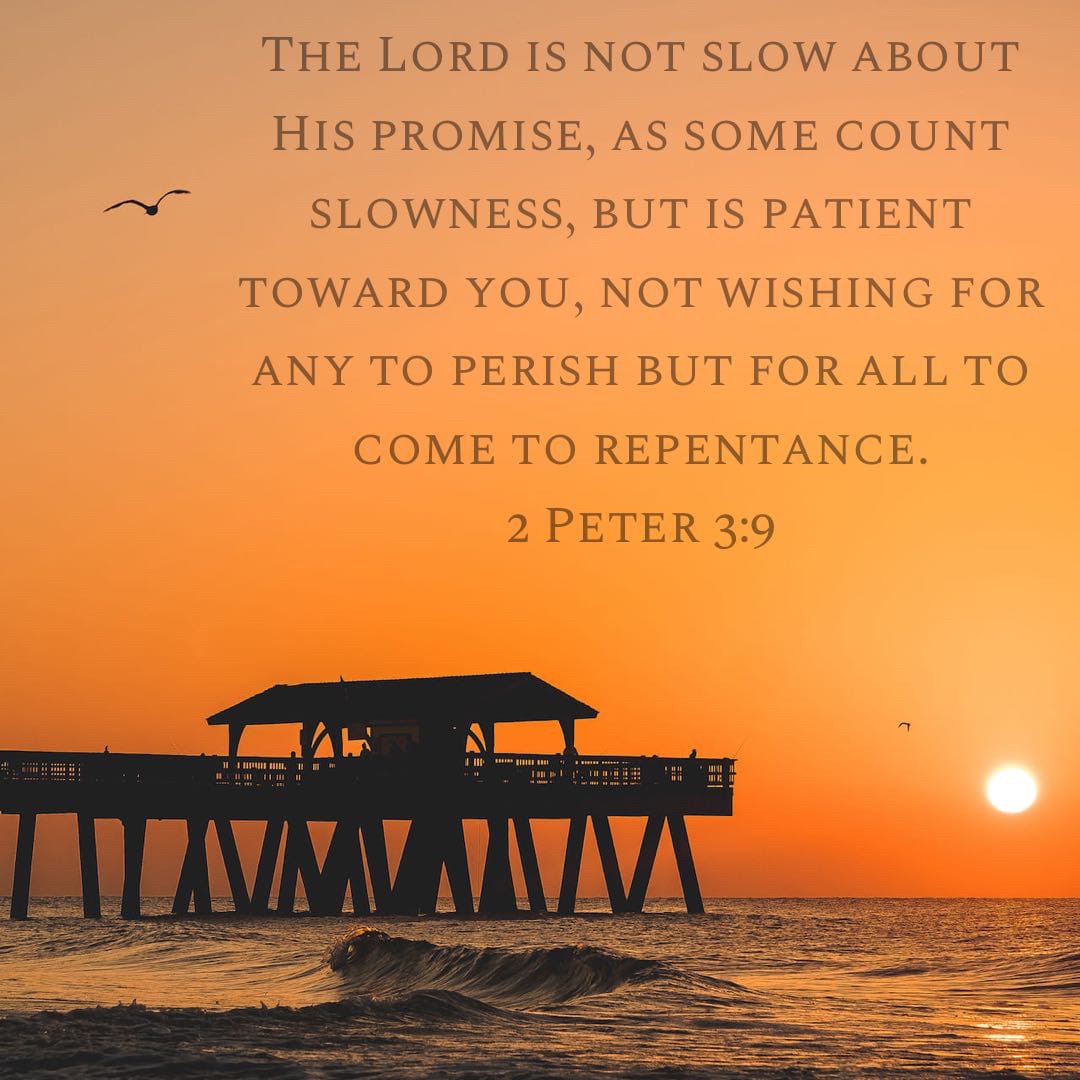 bible.com/bible/100/2pe.3.9.NASB1995
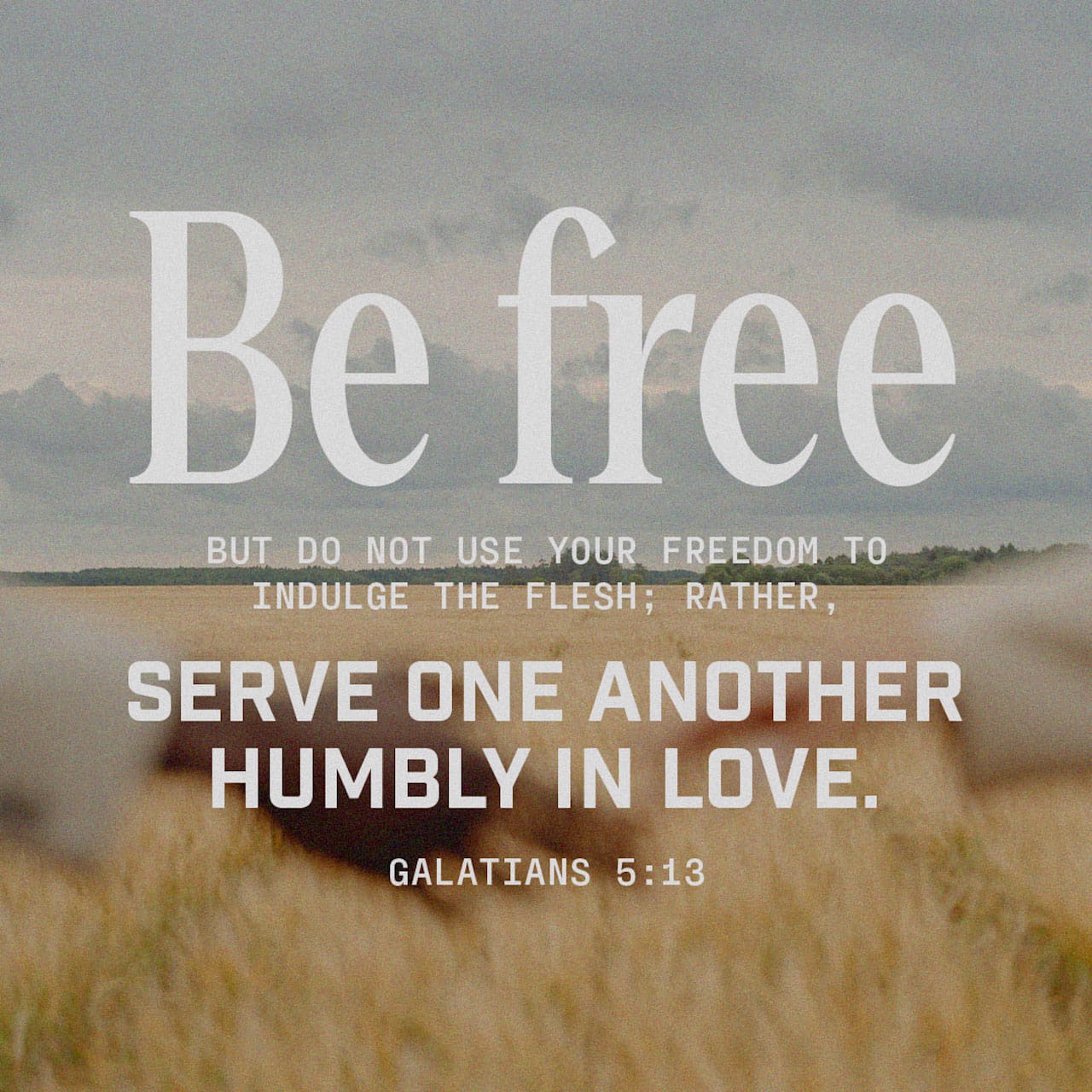 bible.com/bible/100/gal.5.13.NASB1995
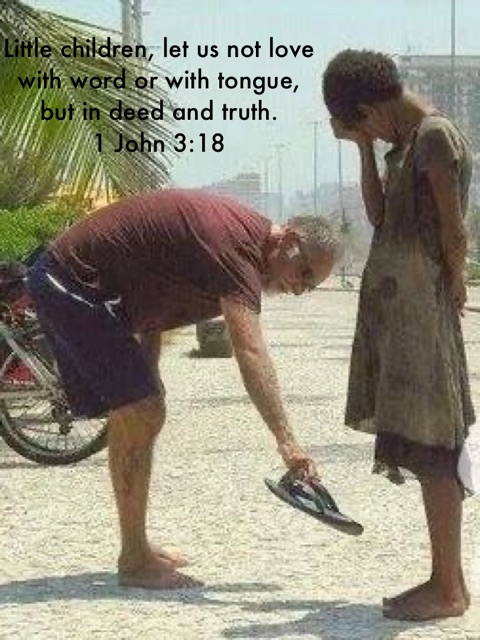 bible.com/bible/100/1jn.3.18.NASB1995
 bible.com/bible/100/isa.43.18-19.NASB1995
 Living Waters