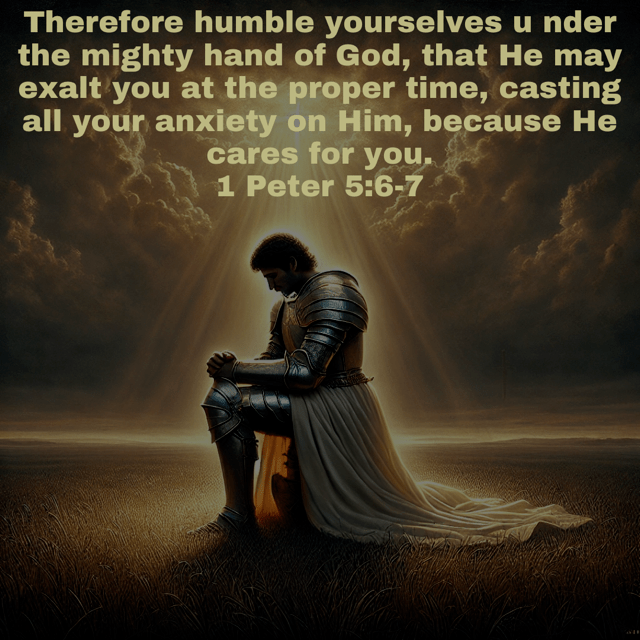
The Battle belongs to the Lord
The Battle belongs to the Lord
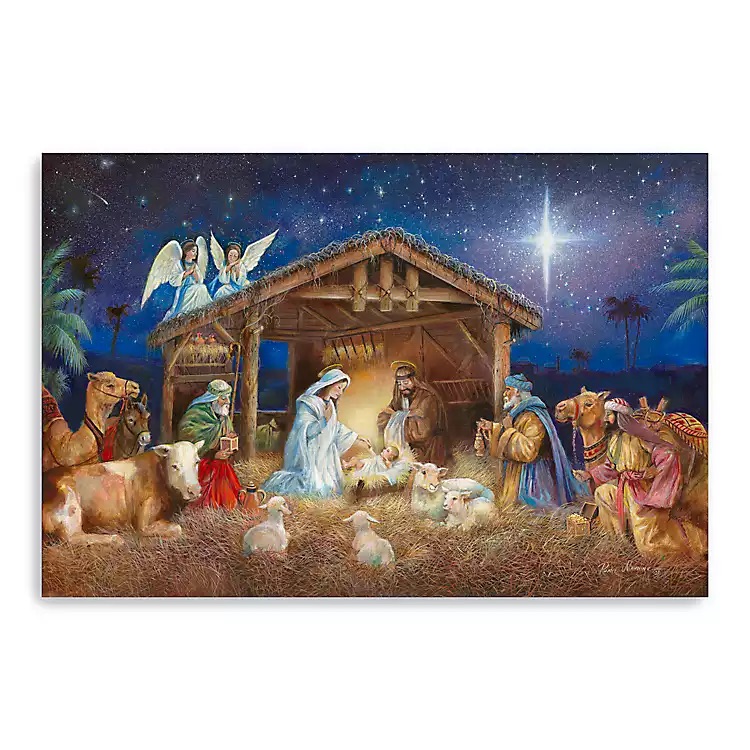
“Now the birth of Jesus Christ was as follows: when His mother Mary had been betrothed to Joseph, before they came together she was found to be with child by the Holy Spirit. And Joseph her husband, being a righteous man and not wanting to disgrace her, planned to send her away secretly. But when he had considered this, behold, an angel of the Lord appeared to him in a dream, saying, “Joseph, son of David, do not be afraid to take Mary as your wife; for the Child who has been conceived in her is of the Holy Spirit. She will bear a Son; and you shall call His name Jesus, for He will save His people from their sins.” Now all this took place to fulfill what was spoken by the Lord through the prophet: “Behold, the virgin shall be with child and shall bear a Son, and they shall call His name Immanuel,” which translated means, “God with us.” And Joseph awoke from his sleep and did as the angel of the Lord commanded him, and took Mary as his wife, but kept her a virgin until she gave birth to a Son; and he called His name Jesus.”
Matthew 1:18-25 NASB1995
Hope you enjoy the brilliant summary, in animation.
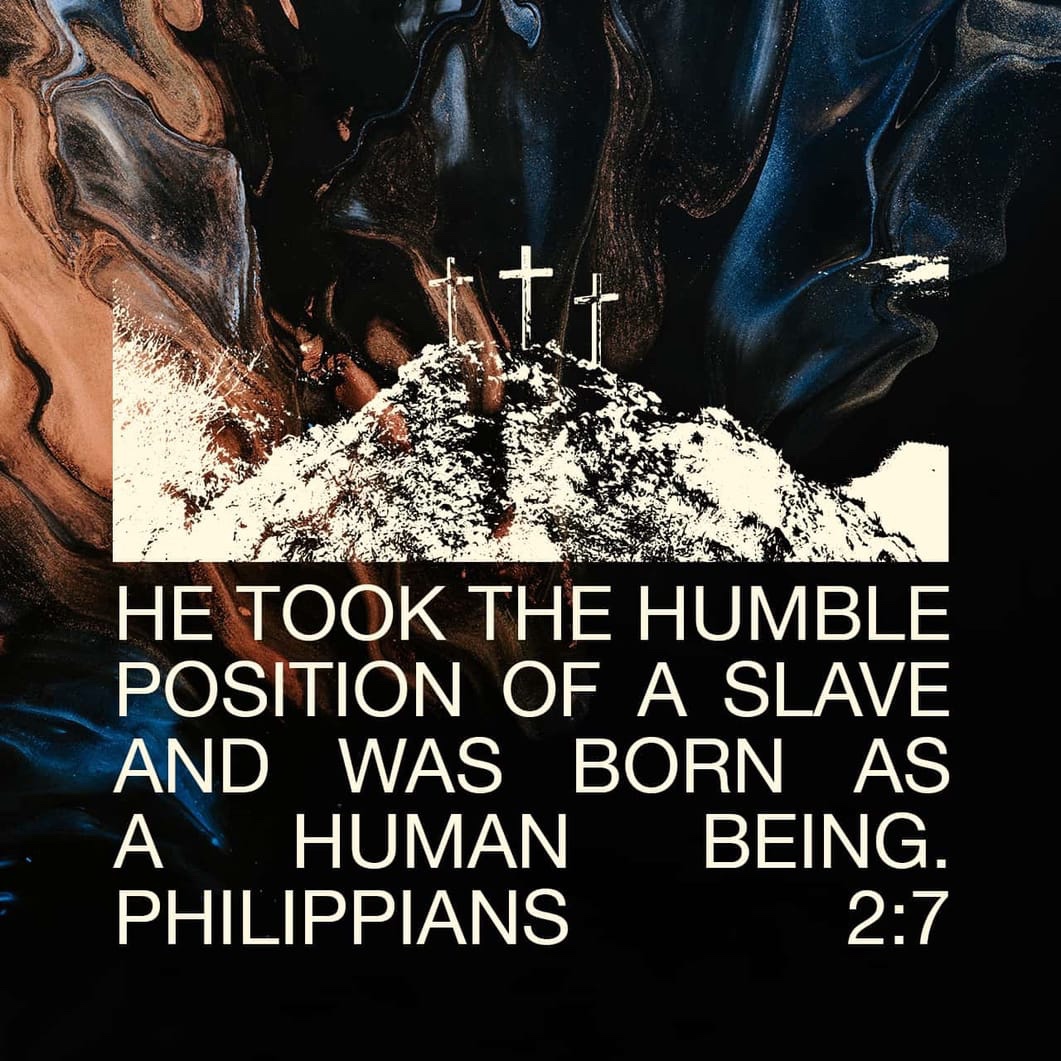
From: John MacArthur Study Bible.
Vs 7emptied Himself. From this Gr. word comes the theological word “kenosis”; i.e., the doctrine of Christ’s self-emptying in His incarnation. This was a self-renunciation, not an emptying Himself of deity nor an exchange of deity for humanity (see notes on v. 6).
Jesus did, however, renounce or set aside His privileges in several areas:
1) heavenly glory—while on earth He gave up the glory of a face-to-face relationship with God and the continuous outward display and personal enjoyment of that glory (cf. Jn 17:5);
2) independent authority—during His incarnation Christ completely submitted Himself to the will of His Father (see note on v. 8; cf. Mt 26:39; Jn 5:30; Heb 5:8);
3) divine prerogatives—He set aside the voluntary display of His divine attributes and submitted Himself to the Spirit’s direction (cf. Mt 24:36; Jn 1:45–49);
4) eternal riches—while on earth Christ was poor and owned very little (cf. 2Co 8:9); and
5) a favorable relationship with God—He felt the Father’s wrath for human sin while on the cross (cf. Mt 27:46; see note on 2Co 5:21). form of a bond-servant. Again, Paul uses the Gr. word “form,” which indicates exact essence (see note on v.
6). As a true servant, Jesus submissively did the will of His Father (cf. Is 52:13, 14). the likeness of men. Christ became more than God in a human body, but He took on all the essential attributes of humanity (Lk 2:52; Gal 4:4; Col 1:22), even to the extent that He identified with basic human needs and weaknesses (cf. Heb 2:14, 17; 4:15). He became the God-Man: fully God and fully man.


 www.bible.com/100/gal.2.20.nasb1995
Taken from John MacArthur Study Bible (Highly Recommend)
I have been crucified with Christ. See notes on Ro 6:2–6 . When a person trusts in Christ for salvation, he spiritually participates with the Lord in His crucifixion and His victory over sin and death. no longer I who live, but Christ lives in me. The believer’s old self is dead ( see note on Eph 4:22 ), having been crucified with Christ ( Ro 6:3 , 5 ). The believer’s new self has the privilege of the indwelling Christ empowering him and living through him ( see notes on Ro 8:9 , 10 ). gave Himself up for me. The manifestation of Christ’s love for the believer through His sacrificial death on the cross ( Jn 10:17 , 18 ; Ro 5:6–8 ; Eph 5:25–30 ).

 bible.com/bible/100/isa.43.18-19.NASB1995
 bible.com/bible/100/pro.21.21.NASB1995
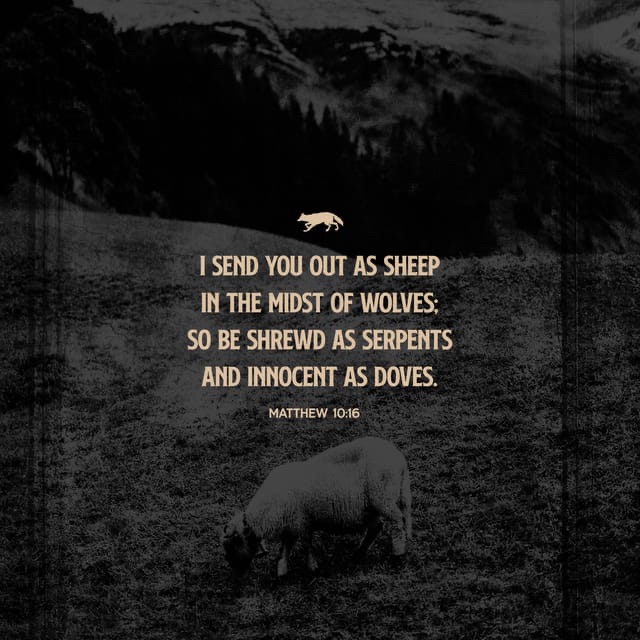 bible.com/bible/100/mat.10.16.NASB1995
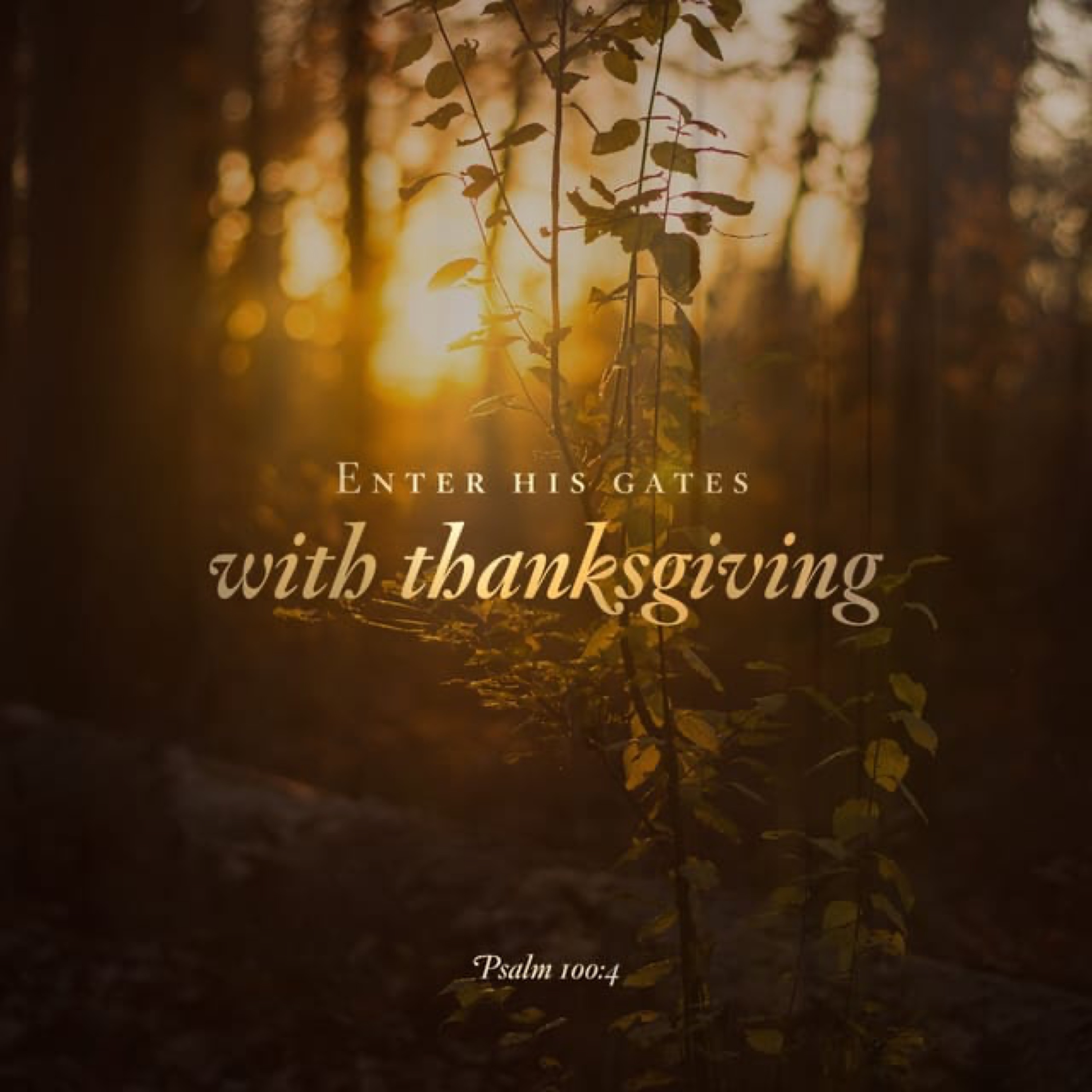 www.bible.com/100/psa.100.4-5.nasb1995
 www.bible.com/100/luk.2.14.nasb1995
 Living Waters