
“For our struggle is not against flesh and blood, but against the rulers, against the powers, against the world forces of this darkness, against the spiritual forces of wickedness in the heavenly places.”
Ephesians 6:12 NASB1995

“For our struggle is not against flesh and blood, but against the rulers, against the powers, against the world forces of this darkness, against the spiritual forces of wickedness in the heavenly places.”
Ephesians 6:12 NASB1995
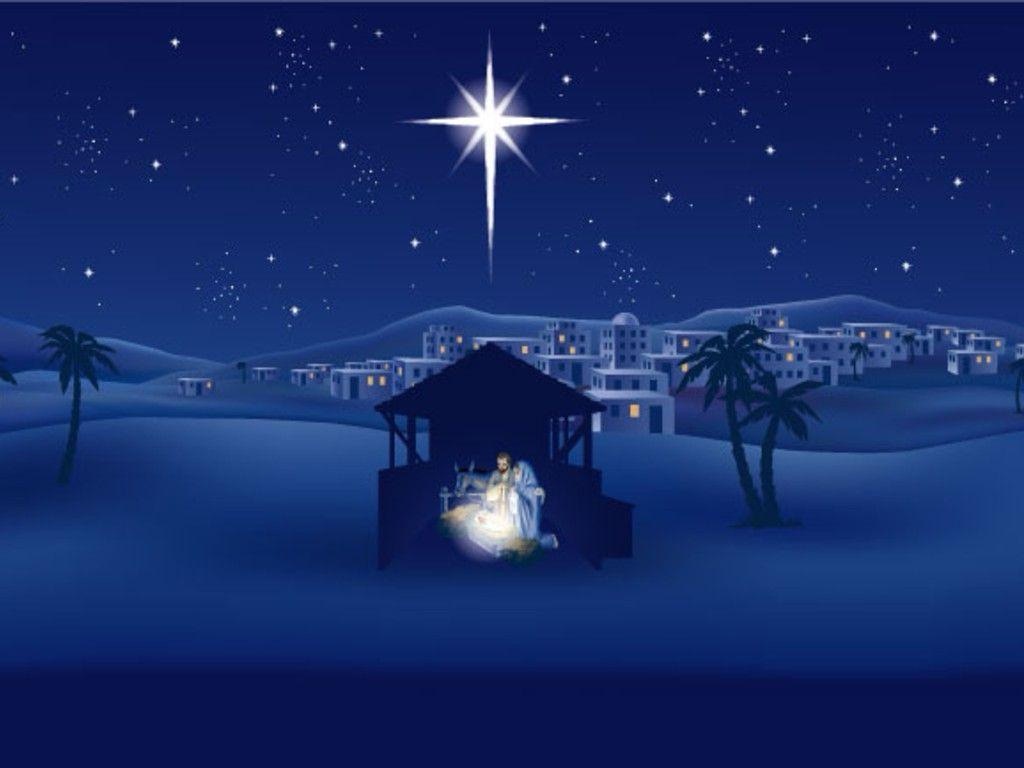
A light to the World, to open our eyes to our own darkness, to remove the chains of bondage. Our part……..Believe and walk in faith in Jesus, who did what we could not.
“I am the Lord, I have called You in righteousness, I will also hold You by the hand and watch over You, And I will appoint You as a covenant to the people, As a light to the nations, To open blind eyes, To bring out prisoners from the dungeon And those who dwell in darkness from the prison.”
Isaiah 42:6-7 NASB


The phrase “man cannot live on bread alone” is found in the Bible, specifically in the book of Matthew. This verse emphasizes the importance of spiritual nourishment alongside physical sustenance.
TRANSLATIONVERSE TEXTNew International Version”Jesus answered, ‘It is written: Man shall not live on bread alone, but on every word that comes from the mouth of God.'”English Standard Version”But he answered, ‘It is written, Man shall not live by bread alone, but by every word that comes from the mouth of God.'”New Living Translation”But Jesus told him, ‘No! The Scriptures say, People do not live by bread alone, but by every word that comes from the mouth of God.'”King James Version”But he answered and said, ‘It is written, Man shall not live by bread alone, but by every word that proceedeth out of the mouth of God.'”
This verse is part of the account of Jesus’ temptation in the wilderness. After fasting for 40 days, Jesus was tempted by Satan to turn stones into bread. His response highlights that spiritual sustenance is as vital as physical food.
This teaching underscores the belief that spiritual fulfillment is essential for life.


The Battle belongs to the Lord
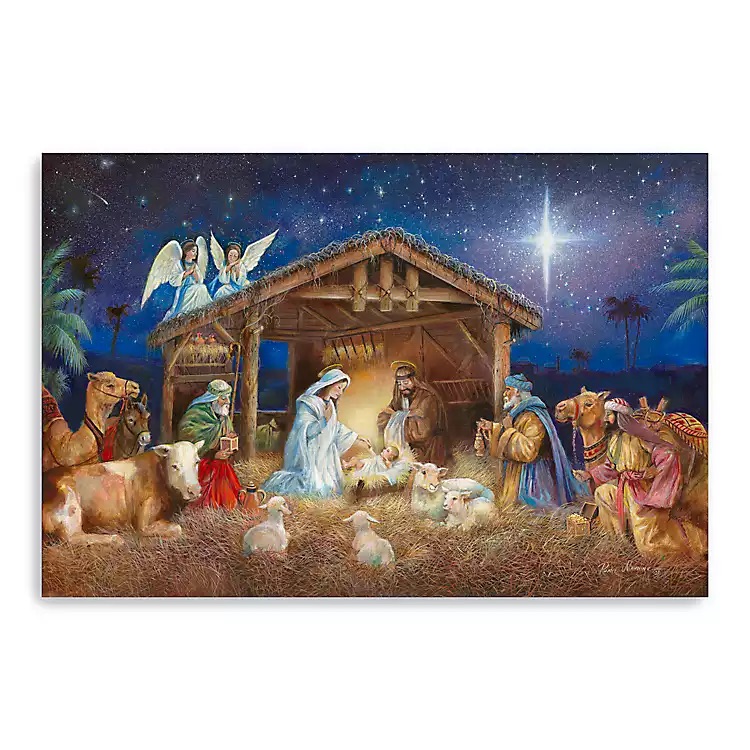
“Now the birth of Jesus Christ was as follows: when His mother Mary had been betrothed to Joseph, before they came together she was found to be with child by the Holy Spirit. And Joseph her husband, being a righteous man and not wanting to disgrace her, planned to send her away secretly. But when he had considered this, behold, an angel of the Lord appeared to him in a dream, saying, “Joseph, son of David, do not be afraid to take Mary as your wife; for the Child who has been conceived in her is of the Holy Spirit. She will bear a Son; and you shall call His name Jesus, for He will save His people from their sins.” Now all this took place to fulfill what was spoken by the Lord through the prophet: “Behold, the virgin shall be with child and shall bear a Son, and they shall call His name Immanuel,” which translated means, “God with us.” And Joseph awoke from his sleep and did as the angel of the Lord commanded him, and took Mary as his wife, but kept her a virgin until she gave birth to a Son; and he called His name Jesus.”
Matthew 1:18-25 NASB1995
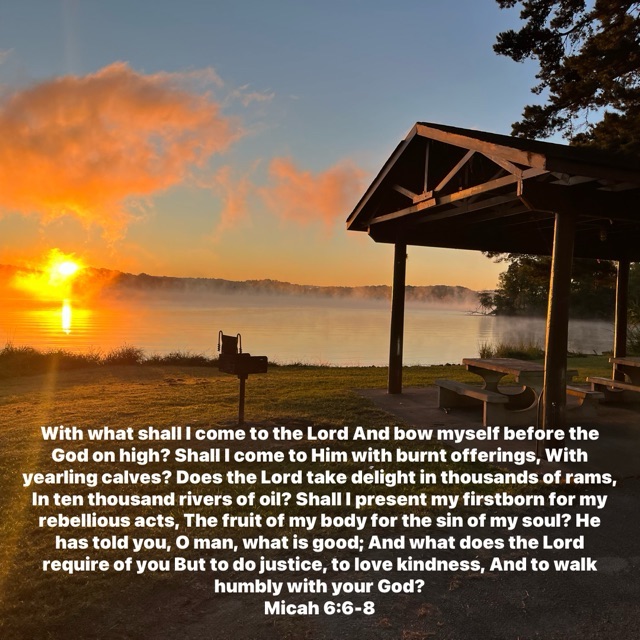
3–5 This was the Lord’s appeal. With tenderness and emotion, the divine Plaintiff recalled His many gracious acts toward them, almost to the point of assuming the tone of a defendant. Noting their trek from bondage in Egypt to their own homeland, God had provided leadership (v. 4), reversed the attempts of Balaam to curse the people (v. 5a; cf. Nu 22–24), and miraculously parted the Jordan River (v. 5b) so they could cross over from Shittim, located E of the Jordan, to Gilgal on the W side near Jericho. God had faithfully kept all His promises to them. † 6:6, 7 Micah, as though speaking on behalf of the people, asked rhetorically how, in light of God’s faithfulness toward them, they could continue their hypocrisy by being outwardly religious but inwardly sinful. † 6:8 Micah’s terse response ( v. 8) indicated they should have known the answer to the rhetorical question. Spiritual blindness had led them to offer everything except the one thing He wanted—a spiritual commitment of the heart from which right behavior would ensue (cf. Dt 10:12–19; Mt 22:37–39). This theme is often represented in the OT (cf. 1Sa 15:22; Is 1:11–20; Jer 7:21–23; Hos 6:6; Am 5:15).
In this book, Joel reflects on the “Day of the Lord” and how true repentance will bring about the great restoration hoped for in the other prophetic books.


 Living Waters