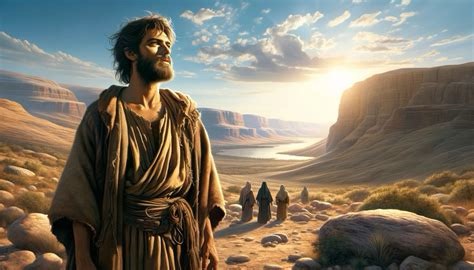
How are we similar to John the Baptist, as Followers of Jesus
John was that voice crying in the wilderness preparing the way for the coming Messiah
“A voice is calling, “Clear the way for the Lord in the wilderness; Make smooth in the desert a highway for our God.”
Isaiah 40:3 NASB1995
https://bible.com/bible/100/isa.40.3.NASB1995
We are in the wilderness of a thirsty and dry land, desiring something more than man’s wisdom, yet lacking any Hope. We as believers, are here to prepare the way, for the one who has now come, and gives hope. His name is Jesus. The hope is “Good News” to the one who believes in Faith.
“Now in those days John the Baptist *came, preaching in the wilderness of Judea, saying, “Repent, for the kingdom of heaven is at hand.” For this is the one referred to by Isaiah the prophet when he said, “The voice of one crying in the wilderness, ‘Make ready the way of the Lord, Make His paths straight!’ ””
Matthew 3:1-3 NASB1995
https://bible.com/bible/100/mat.3.1-2.NASB1995
“As it is written in Isaiah the prophet: “Behold, I send My messenger ahead of You, Who will prepare Your way; The voice of one crying in the wilderness, ‘Make ready the way of the Lord, Make His paths straight.’ ””
Mark 1:2-3 NASB1995
https://bible.com/bible/100/mrk.1.2-3.NASB1995
Matt 3:3 ; Mark 1:2-3 ; Luke 3:3-6
We are a voice, crying out to a lost and dying world that there is hope, both now and for an eternal future, to ALL who believe, JUST AS YOU ARE, not by anything we can do but accept his word, but by everything that HE DID FOR US.
May we be like John the Baptist, that many will be pointed to Jesus, by both our WORDS and our DEEDS.





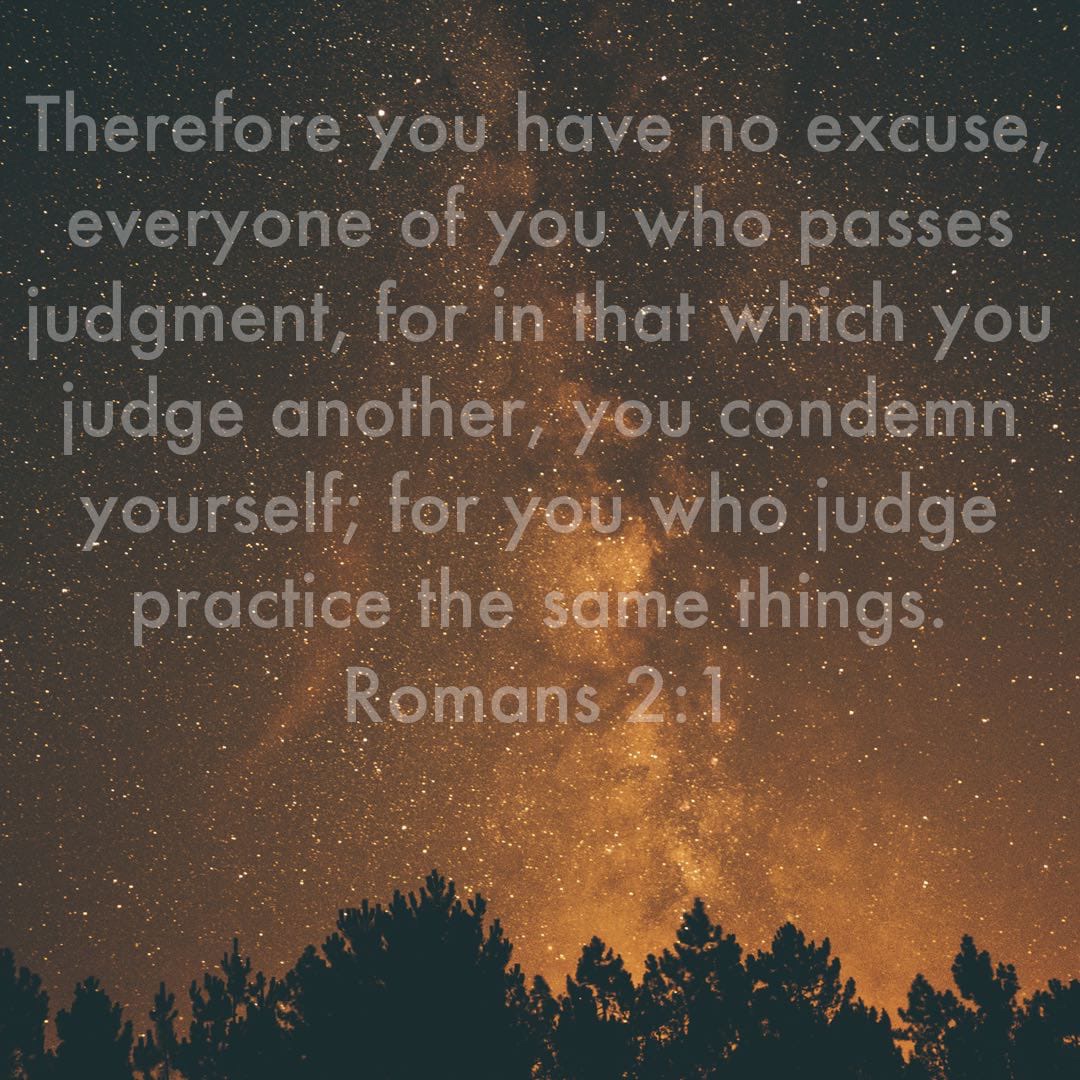 bible.com/bible/100/rom.2.1.NASB1995
 bible.com/bible/100/mat.6.33.NASB1995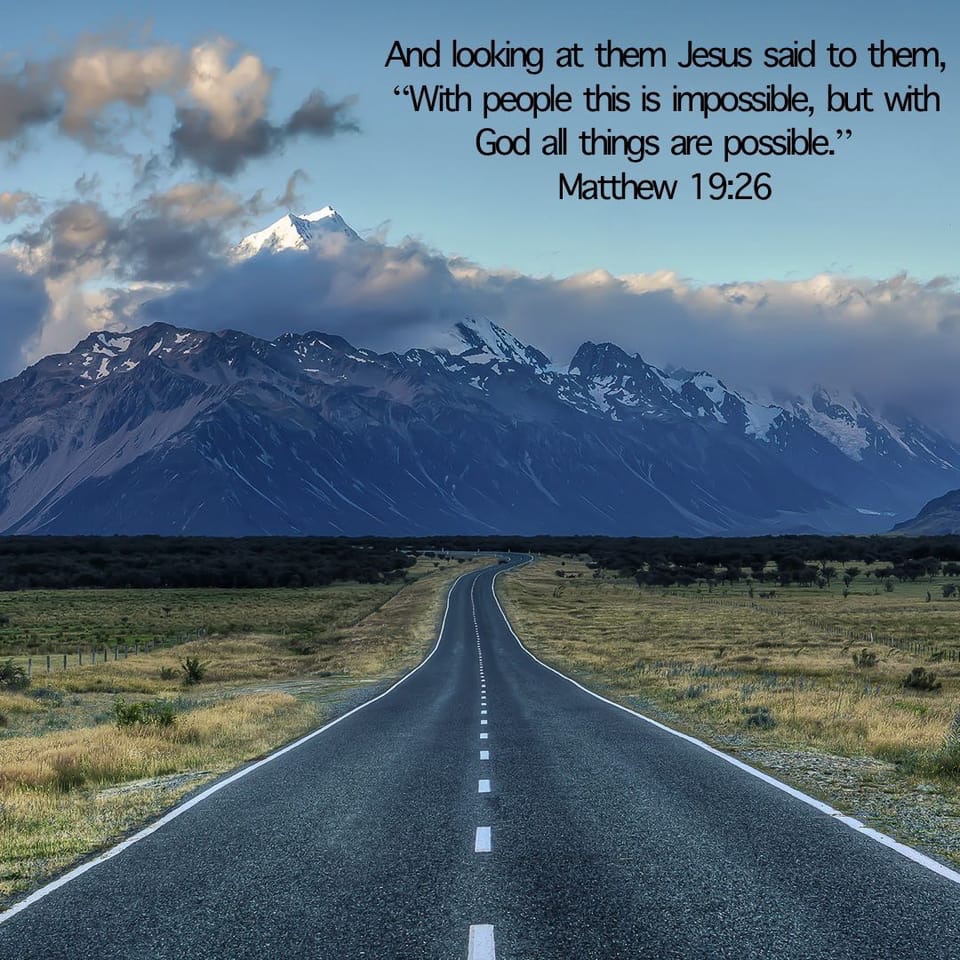

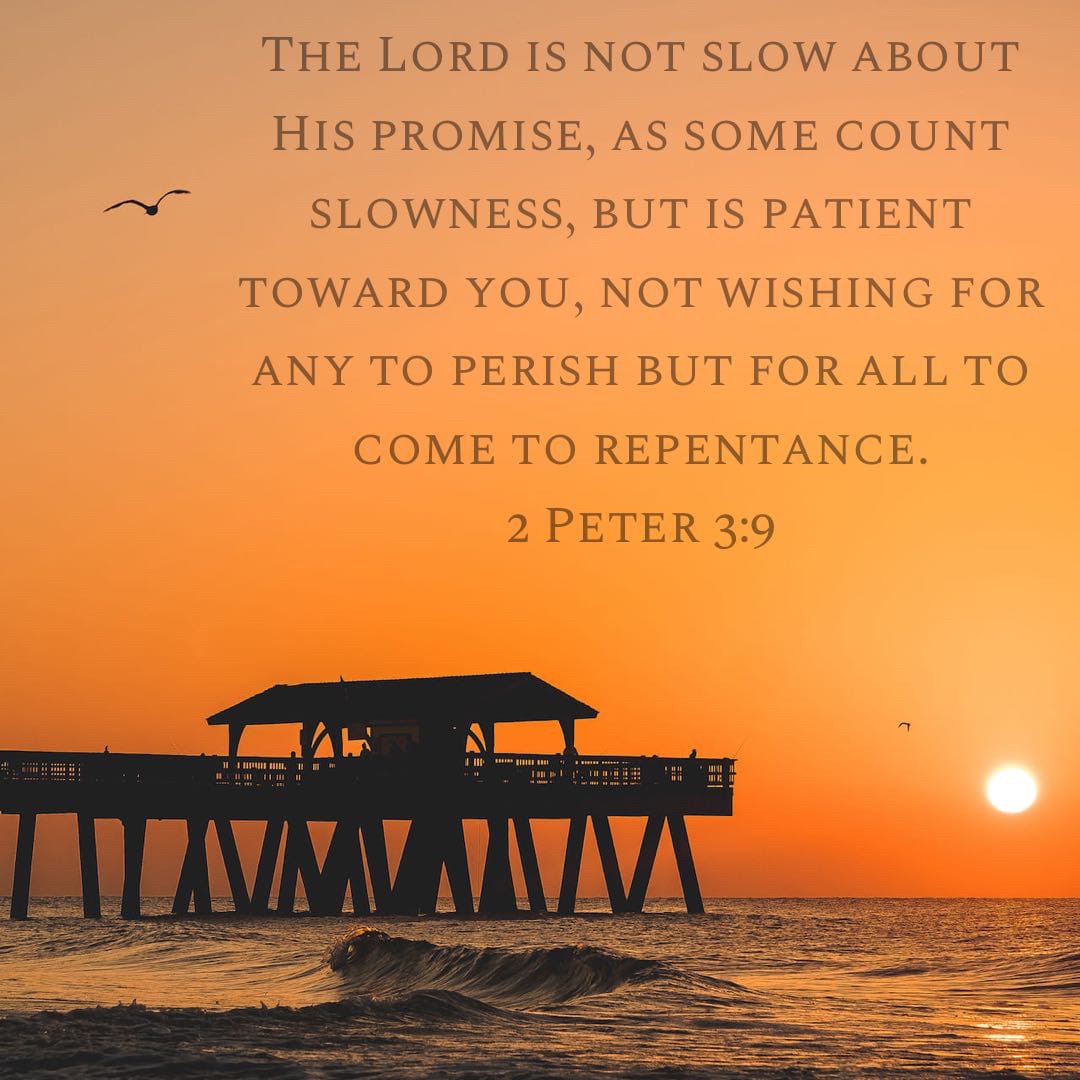 bible.com/bible/100/2pe.3.9.NASB1995
 bible.com/bible/100/2co.1.3-4.NASB1995
 Living Waters