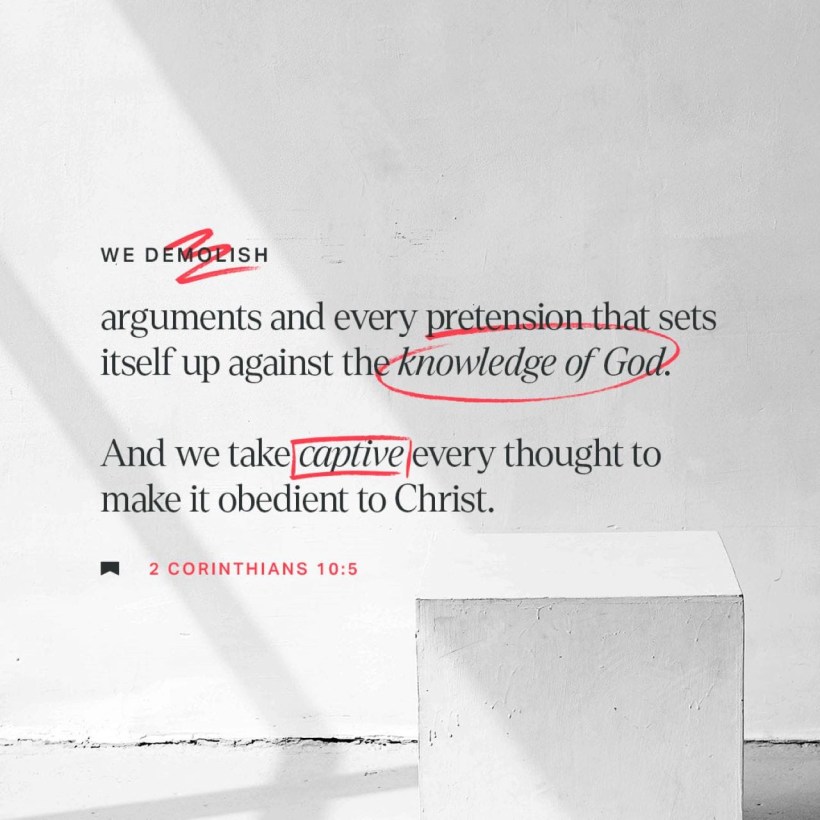
speculations. Thoughts, ideas, reasonings, philosophies, and false religions are the ideological forts in which men barricade themselves against God and the gospel (cf. 1Co 3:20). every thought captive. Emphasizes the total destruction of the fortresses of human and satanic wisdom and the rescuing of those inside from the damning lies that had enslaved them.
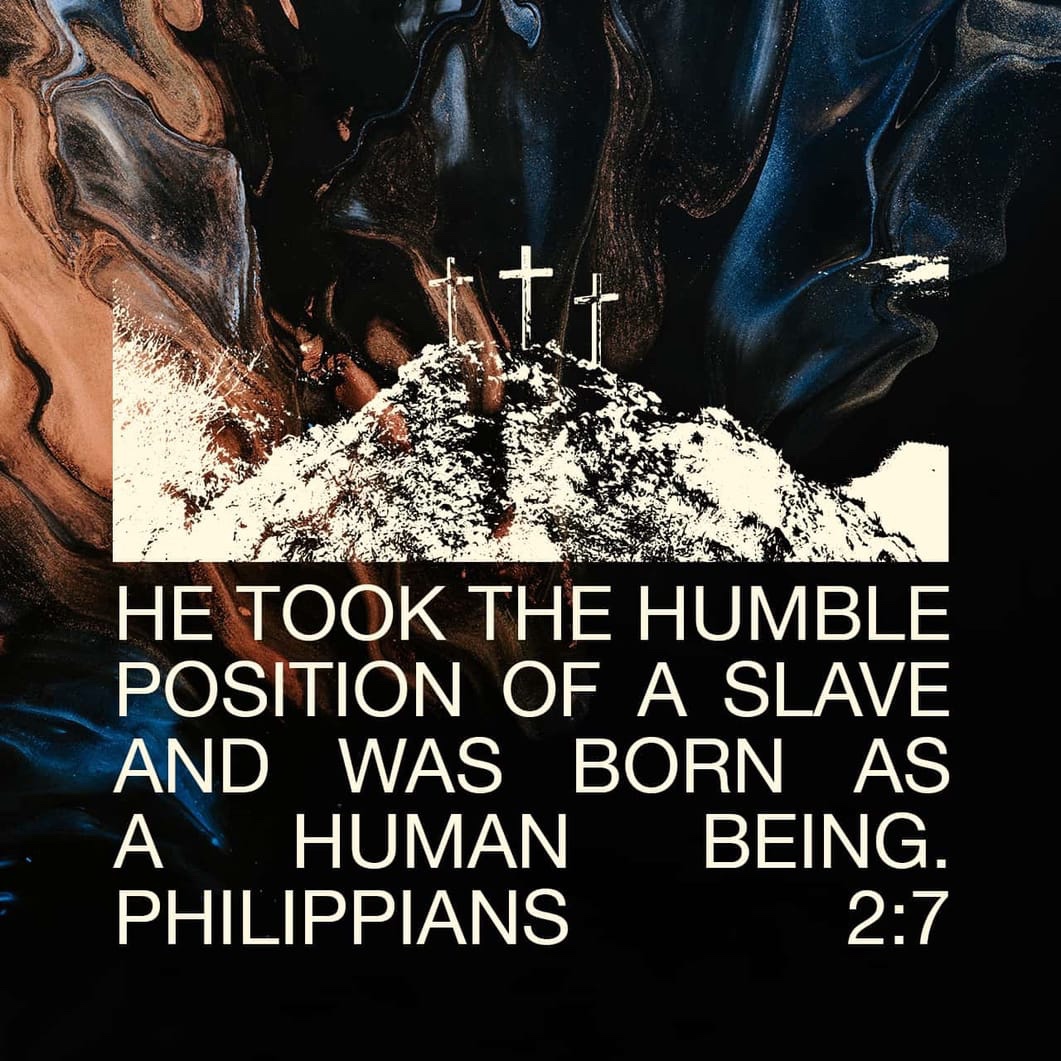
Vs 7emptied Himself. From this Gr. word comes the theological word “kenosis”; i.e., the doctrine of Christ’s self-emptying in His incarnation. This was a self-renunciation, not an emptying Himself of deity nor an exchange of deity for humanity (see notes on v. 6).
Jesus did, however, renounce or set aside His privileges in several areas:
1) heavenly glory—while on earth He gave up the glory of a face-to-face relationship with God and the continuous outward display and personal enjoyment of that glory (cf. Jn 17:5);
2) independent authority—during His incarnation Christ completely submitted Himself to the will of His Father (see note on v. 8; cf. Mt 26:39; Jn 5:30; Heb 5:8);
3) divine prerogatives—He set aside the voluntary display of His divine attributes and submitted Himself to the Spirit’s direction (cf. Mt 24:36; Jn 1:45–49);
4) eternal riches—while on earth Christ was poor and owned very little (cf. 2Co 8:9); and
5) a favorable relationship with God—He felt the Father’s wrath for human sin while on the cross (cf. Mt 27:46; see note on 2Co 5:21). form of a bond-servant. Again, Paul uses the Gr. word “form,” which indicates exact essence (see note on v.
6). As a true servant, Jesus submissively did the will of His Father (cf. Is 52:13, 14). the likeness of men. Christ became more than God in a human body, but He took on all the essential attributes of humanity (Lk 2:52; Gal 4:4; Col 1:22), even to the extent that He identified with basic human needs and weaknesses (cf. Heb 2:14, 17; 4:15). He became the God-Man: fully God and fully man.



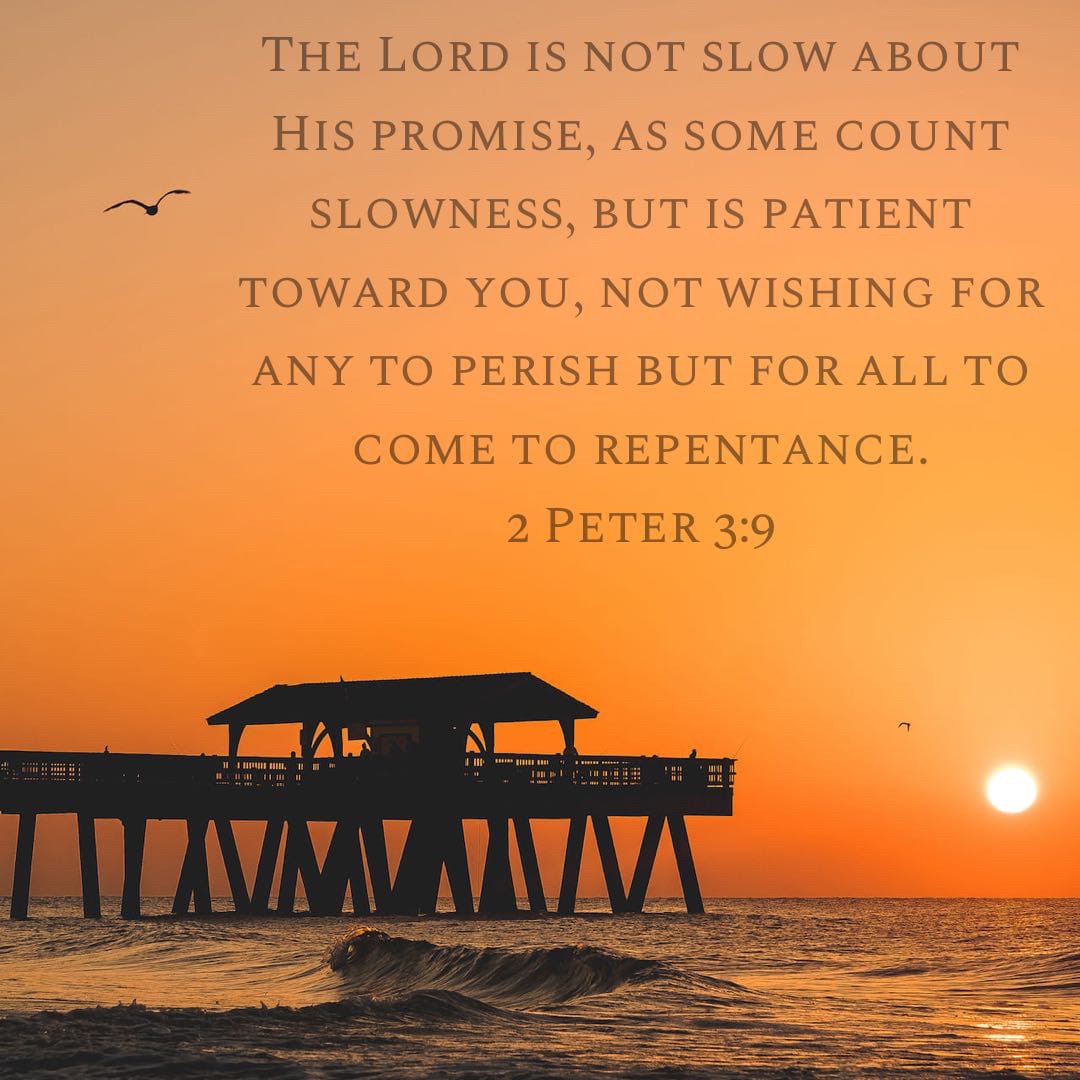 bible.com/bible/100/2pe.3.9.NASB1995
 bible.com/bible/100/mat.6.34.NASB1995
 bible.com/bible/100/php.4.7.NASB1995
 bible.com/bible/100/1pe.5.7.NASB1995
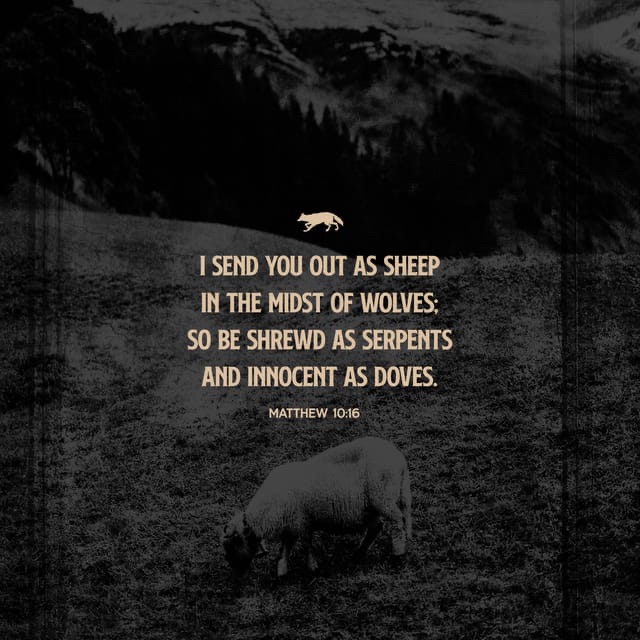 bible.com/bible/100/mat.10.16.NASB1995
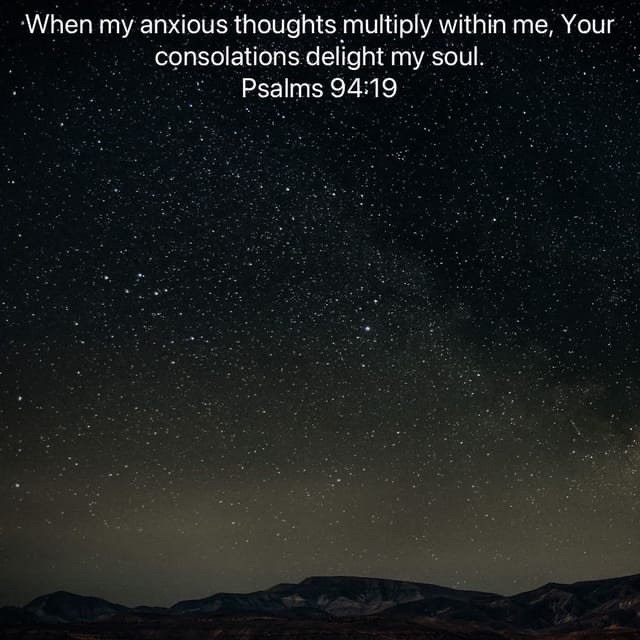 bible.com/bible/100/psa.94.19.NASB1995
 Living Waters