
Blog
 bible.com/bible/100/mat.20.28.NASB1995
Fixing our eyes on Jesus, and we won’t accomplish the desires of the flesh. (See note below on walking in the Spirit)
 bible.com/bible/100/gal.5.16.NASB1995
Walk by the Spirit. All believers have the presence of the indwelling Holy Spirit (cf. Ro 8:9; 1Co 6:19, 20) as the personal power for living to please God. The form of the Gr. verb translated “walk” indicates continuous action, or a habitual lifestyle. Walking also implies progress; as a believer submits to the Spirit’s control—that is, responds in obedience to the simple commands of Scripture—he grows in his spiritual life (see notes on Ro 8:13; Eph 5:18; Col 3:16). the flesh. This is not simply the physical body, but includes the mind, will, and emotions which are all subject to sin. It refers in general to our unredeemed humanness. See notes on Ro 7:5; 8:23; cf. v. 13.
All credit to John MacArthur Study Bible.

The Gospel, is the Power unto Salvation.
 bible.com/bible/100/rom.10.17.NASB1995
How sweet, that we can call God our Father, by what Jesus, did for us, and believing in him. There is no greater gift, we can receive than this. It was the Fathers gift to rescue us, from ourselves.
 bible.com/bible/100/jhn.1.12.NASB1995
Self-control…….Who is in control of your life?

GOD IS OPPOSED TO THE PROUD, BUT GIVE GRACE TO THE HUMBLE…………………………………………………………………………..vs 6 Therefore, humble yourselves under the mighty hand of God, that He may exalt you at the proper time!
 bible.com/bible/100/1pe.5.7.NASB1995
Vs 7 Ask, and it will be given to you; seek, and you will find; knock, and it will be opened to you. ALWAYS FOR THE LORDS WILL, NOT OUR SELFISH DESIRES….
 bible.com/bible/100/mat.7.8.NASB1995
Anyone out there old enough to remember the song that starts out “Oh Lord, won’t you buy me a Mercedes Benz, my friends all drive Porches, I must make Amens. THAT IS NOT WHAT THIS VERSE IS TALKING ABOUT!!!

Living Waters (Thought for the Day – TFTD).
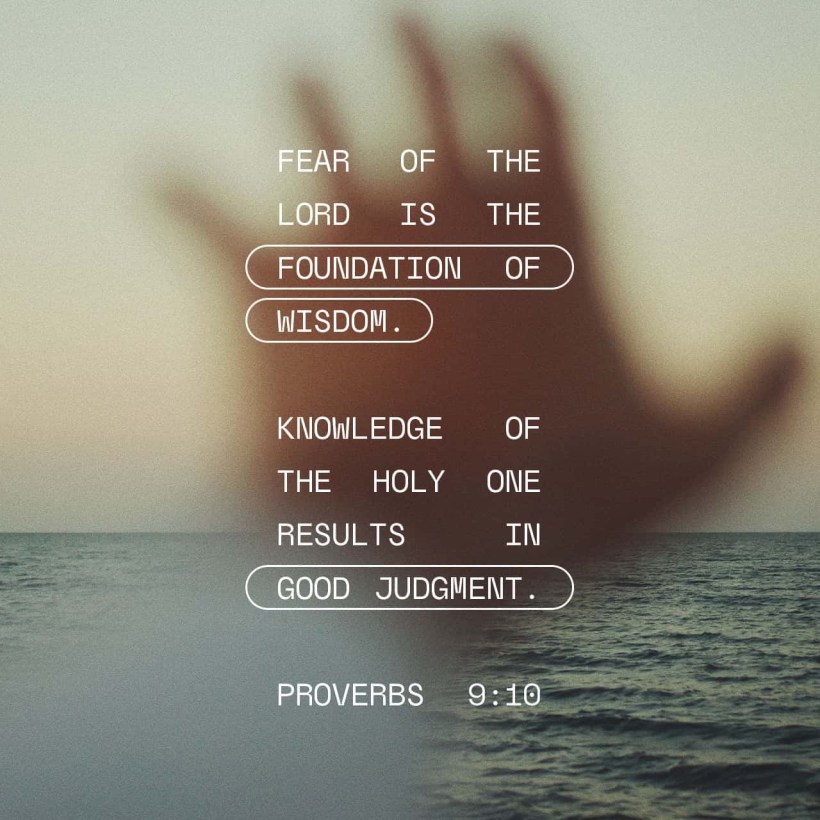 bible.com/bible/100/pro.9.10.NASB1995
John MacArthur Study Bible
The overarching theme of this book and particularly the first 9 chapters is introduced—reverence for God (see v. 29; 2:5; 3:7; 8:13; 9:10; 14:26, 27; cf. also Job 28:28; Ps 34:11; Ac 9:31). See Introduction: Historical and Theological Themes. This reverential awe and admiring, submissive fear is foundational for all spiritual knowledge and wisdom (cf. 2:4–6; 9:10; 15:33; Job 28:28; Ps 111:10; Ecc 12:13). While the unbeliever may make statements about life and truth, he does not have true or ultimate knowledge until he is in a redemptive relationship of reverential awe with God. Note the progression here: 1) teaching about God; 2) learning about God; 3) fearing God; 4) knowing God; and 5) imitating God’s wisdom. The fear of the Lord is a state of mind in which one’s own attitudes, will, feelings, deeds, and goals are exchanged for God’s (cf. Ps 42:1).

A FATHERS WORDS OF INSTRUCTION! Gods Word (The Bible), gives life to those who meditate on it, and apply it to their life. It changes us in a miraculous way.
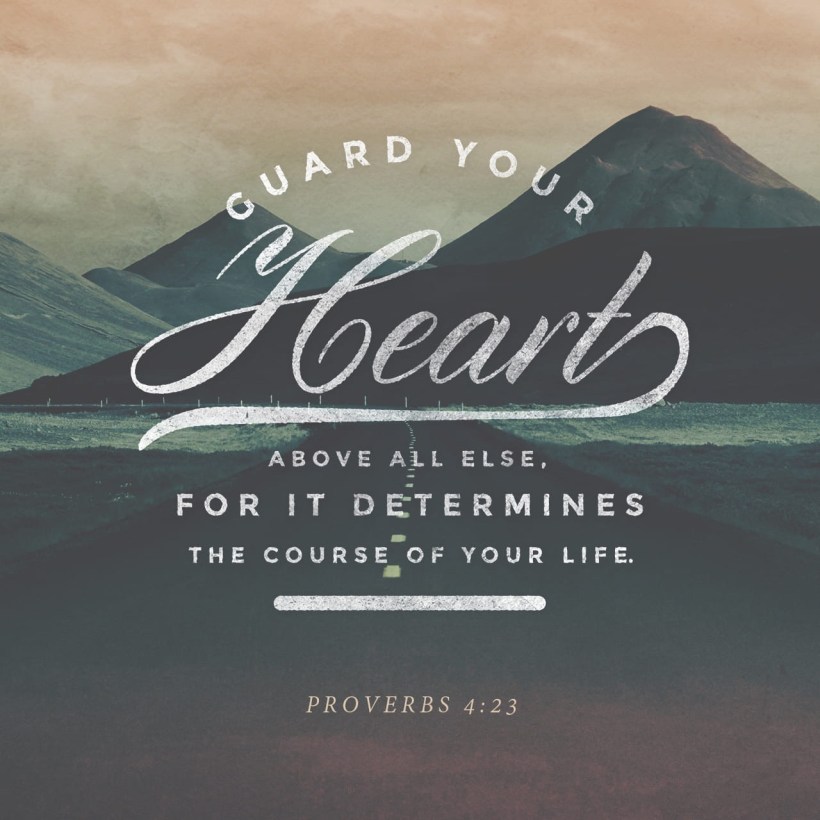 bible.com/bible/100/pro.4.23.NASB1995
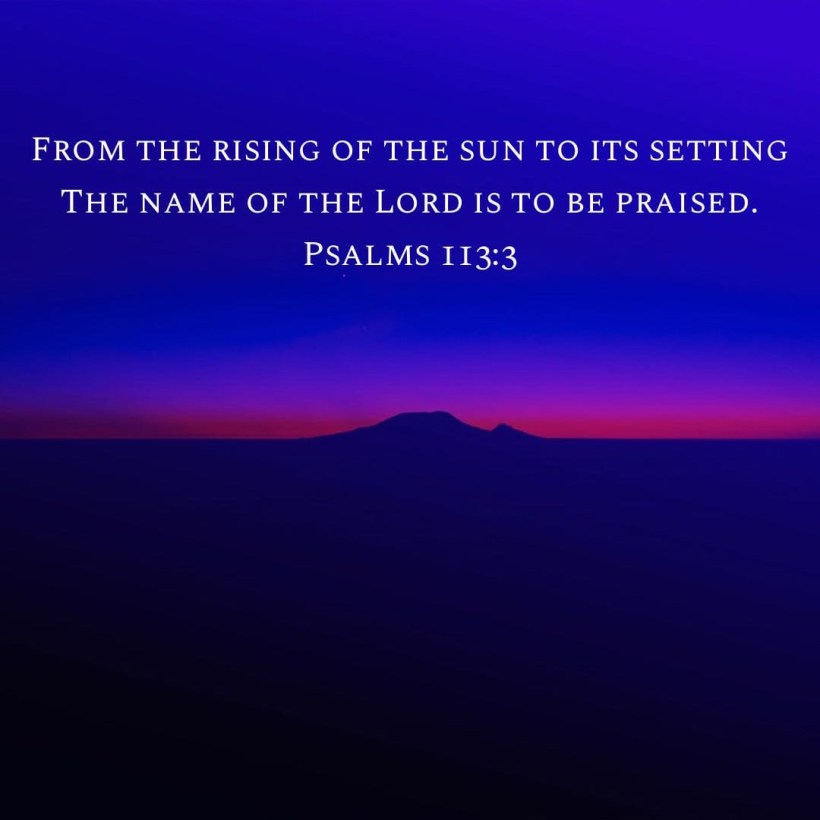 bible.com/bible/100/psa.113.3.NASB1995
 Living Waters